

 602-352-0033
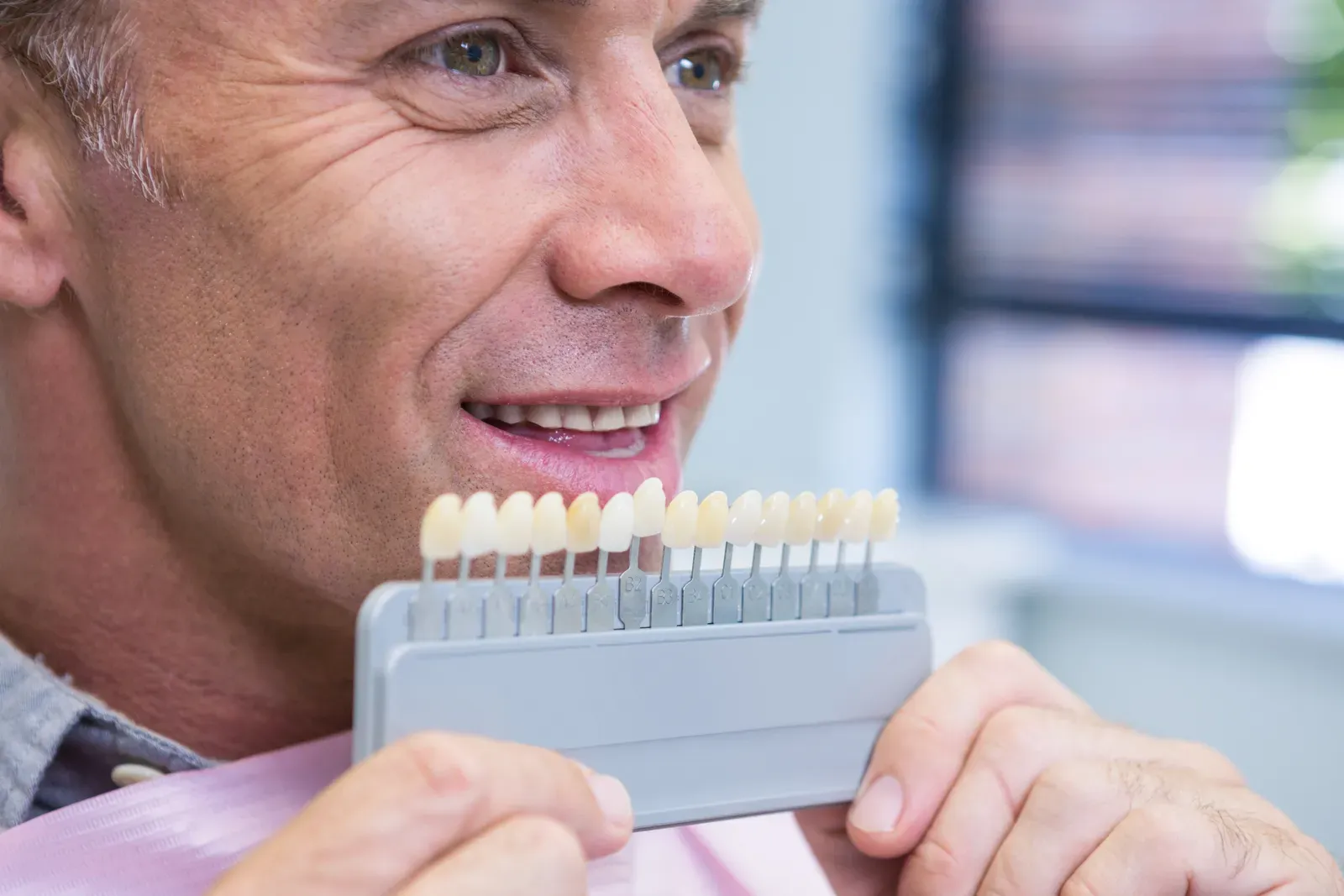
Few cosmetic dental treatments transform a smile as dramatically - or as durably - as porcelain veneers. Whether you're dealing with chipped edges, stubborn discoloration, gaps, or teeth that simply look uneven in photos, veneers offer a way to reshape your smile without the lengthy timelines of orthodontics or the guesswork of at-home whitening kits. It's no surprise they've become one of the most requested cosmetic procedures in dentistry today.
But veneers are also a significant investment - of both money and enamel - so it pays to understand exactly what you're signing up for before you sit in the chair. This article walks through how porcelain veneers work, what the process actually involves, how much they typically cost, how long they last, and the questions patients ask most often, so you can walk into your consultation informed and confident.
At Clear Sky Dental Care, we find that patients who understand the "why" behind each step of treatment end up happier with their results and better at maintaining them long-term. Consider this your starting point.
What Porcelain Veneers Actually Are
A porcelain veneer is a thin, custom-made shell - typically about half a millimeter to one millimeter thick - that's bonded to the front surface of a tooth. Think of it less as a "fake tooth" and more as a precision-crafted cover that masks imperfections while preserving the healthy structure underneath. Porcelain is prized for this purpose because it mimics the light-reflecting quality of natural enamel far better than composite resin or other materials, which is why veneers tend to look remarkably lifelike even up close.
Veneers are typically used on the teeth most visible when you smile - usually the upper front six to ten teeth - though they can be placed on lower teeth as well depending on your goals. Each shell is fabricated in a dental lab based on precise impressions or digital scans of your mouth, then adjusted for shade, shape, and translucency to blend seamlessly with your natural bite.
It's worth distinguishing porcelain veneers from composite veneers, which are sculpted directly onto the tooth in a single visit using a tooth-colored resin. Composite is faster and less expensive but generally less stain-resistant and shorter-lived. Porcelain requires more planning and a lab turnaround, but the trade-off is a stronger, more color-stable, longer-lasting result.
Are You a Good Candidate for Veneers?
Veneers are a cosmetic solution, which means they work best when the underlying teeth are structurally healthy. Before recommending veneers, your dentist will want to rule out active decay, gum disease, or bite problems that need to be addressed first - placing a veneer over an unhealthy tooth simply masks a problem that will resurface later. A thorough exam, X-rays, and a conversation about your dental history are standard first steps.
Beyond general oral health, there are a few personal habits worth discussing honestly with your dentist. Patients who grind or clench their teeth at night may need a protective nightguard alongside their veneers, since porcelain - while strong - can chip under repetitive heavy force. Similarly, if you're prone to nail-biting, chewing ice, or using your teeth as tools, it's worth adjusting those habits to protect your investment.
- Discolored or stained teeth: Especially staining that hasn't responded well to professional whitening, such as deep intrinsic stains from medication or fluorosis.
- Chipped or worn edges: Veneers rebuild a natural-looking edge and length that's been lost to wear or minor trauma.
- Small gaps or minor misalignment: Veneers can visually close modest spacing issues without the time commitment of braces.
- Irregularly shaped teeth: Naturally small, pointed, or uneven teeth can be reshaped for a more uniform smile line.
What Happens During the Veneer Process
Getting porcelain veneers is a multi-step process that typically unfolds over two to three appointments across a few weeks. The first visit is entirely about planning: your dentist examines your teeth and gums, discusses your goals for shape, size, and shade, and often uses digital photography or a smile-design mockup so you can preview the intended outcome before any permanent changes are made. This is the stage to be candid about what you like and don't like - the more input you give, the more accurate the final design.
Once the design is approved, your dentist prepares the teeth by removing a thin layer of enamel from the front surface - usually less than a millimeter - to make room for the veneer without making the tooth look bulky. Impressions or digital scans are then taken and sent to a dental laboratory, where skilled technicians hand-craft your veneers to match the agreed-upon shape and shade. This fabrication process usually takes one to two weeks, during which you'll typically wear temporary veneers so you're never left with prepared teeth on display.
At the final appointment, the temporaries are removed and each permanent veneer is checked for fit, color match, and bite alignment before being permanently bonded into place with a strong dental adhesive, then cured with a special light. Your dentist will make small adjustments to the edges and polish the surface so the veneers feel smooth and natural against your tongue and lips. Most patients are surprised by how quickly they adjust to the new feel - within a few days, it simply feels like your own smile.
What Determines the Cost of Veneers
Veneer pricing varies more than almost any other cosmetic dental treatment, and for good reason: the cost depends heavily on how many teeth are being treated, the complexity of the case, the materials used, and the experience of the dental team creating them. Rather than quoting a flat number, most dental offices price veneers per tooth, which allows patients to treat just a few visible teeth or a full smile depending on their goals and budget.
Because veneers are considered elective and cosmetic, they are usually not covered by dental insurance, though some plans may contribute if the veneer is also serving a restorative purpose - for example, repairing a tooth damaged by trauma. It's worth asking your provider directly, since coverage policies vary widely and some practices offer financing plans that spread the cost over manageable monthly payments.
Factors That Influence Your Final Price
The number of veneers you need is the biggest driver of overall cost, but the material and lab quality matter too - higher-grade ceramic and master technicians typically cost more but deliver a more natural, longer-lasting result. Complex cases that involve correcting bite issues or significant reshaping may also require additional planning time, which can affect the total investment. A detailed consultation is the only reliable way to get an accurate estimate for your specific smile.
How Long Veneers Last and How to Protect Them
With proper care, porcelain veneers commonly last between ten and fifteen years, and many patients enjoy them well beyond that timeframe. Unlike natural enamel, porcelain doesn't develop cavities, but the tooth underneath and the gum line around the veneer still need the same diligent care as the rest of your mouth. The bonding material that attaches the veneer to your tooth is the most vulnerable point, so protecting that seal is central to longevity.
Daily brushing and flossing remain essential, along with regular dental checkups so your dentist can monitor the edges of each veneer for any signs of lifting, staining at the margins, or wear. While porcelain itself resists staining far better than natural enamel, the cement line at the edge of the veneer can pick up discoloration over time, particularly with heavy coffee, tea, or tobacco use.
- Wear a nightguard if you grind your teeth: This is the single most effective way to prevent chips and fractures in porcelain.
- Avoid using teeth as tools: Opening packages or biting fingernails puts unnecessary pressure on the veneer's edges.
- Keep up with routine cleanings: Professional cleanings help maintain the margin between veneer and gum, preventing plaque buildup that can compromise the seal.
- Choose a non-abrasive toothpaste: Whitening toothpastes with harsh abrasives can dull the porcelain's polished surface over years of use.
Veneers Compared to Other Cosmetic Options
Porcelain veneers are often mentioned alongside professional whitening, dental bonding, and even orthodontics, but each treatment solves a different problem. Whitening works well for teeth that are simply discolored but otherwise structurally sound, and it's non-invasive - but it can't fix chips, gaps, or misshapen teeth. Bonding uses tooth-colored composite resin sculpted directly onto the tooth, which is quicker and cheaper than veneers but generally less durable and more prone to staining over time.
Orthodontic treatment, whether traditional braces or clear aligners, physically moves teeth into better alignment and is the right choice when the primary concern is crowding, spacing, or bite function rather than surface appearance. Veneers, by contrast, don't move teeth - they reshape and recolor what's visible on the surface, which makes them ideal for cosmetic concerns that don't involve significant misalignment.
Many patients actually combine treatments - for instance, straightening teeth with clear aligners first, then finishing with veneers to perfect shape and shade. During your consultation, your dentist can help map out whether veneers alone will achieve your goals or whether a combined approach will deliver a more complete result.
Key Takeaways
- Porcelain veneers are thin, custom shells bonded to the front of teeth to correct color, shape, and minor alignment issues.
- Healthy teeth and gums are a prerequisite - veneers cover cosmetic issues but don't treat decay or gum disease.
- The process usually takes two to three visits, including a design consultation, preparation, and final bonding.
- With good care, veneers commonly last ten to fifteen years or more.
- Cost varies by case, so a personalized consultation is the only reliable way to get an accurate estimate.
Frequently Asked Questions
Is getting veneers painful?
Most patients feel minimal discomfort. Your dentist typically uses local anesthesia while preparing the teeth, and any mild sensitivity afterward usually fades within a day or two. Temporary veneers help protect the prepared teeth while you wait for the permanent ones to be fabricated.
Can veneers be whitened later if they get stained?
No - porcelain veneers do not respond to whitening treatments the way natural enamel does. This is actually an advantage for color stability, but it means your natural teeth may need whitening before veneers are placed so the shade matches evenly for years to come.
Do veneers require special maintenance?
Beyond regular brushing, flossing, and dental visits, no specialized routine is needed. The main precautions are avoiding excessive force on the teeth, such as chewing ice, and wearing a nightguard if you grind your teeth while sleeping.
Is the enamel removal for veneers permanent?
Yes, the small amount of enamel removed during preparation does not grow back, which is why veneers are considered a long-term commitment rather than a reversible treatment. This is also why a thorough consultation and design preview are so important before moving forward.
Can a single chipped tooth get one veneer, or do they need to match a full set?
A single veneer can absolutely be placed on one tooth. Skilled dentists and lab technicians can custom-match the shade and shape to blend with your surrounding natural teeth, so it's not necessary to treat a full arch unless that's your cosmetic goal.
Bringing It All Together
Porcelain veneers remain one of the most reliable ways to achieve a brighter, more even, more confident smile without the extended timelines of orthodontic treatment. They ask for a real commitment - both financially and in terms of the enamel adjustment involved - but for the right candidate, the payoff is a natural-looking, durable result that can last well over a decade with proper care.
The best next step is always a personalized consultation, where your dental team can evaluate your oral health, discuss your goals in detail, and map out whether veneers alone or a combination of treatments will get you where you want to be. Understanding the process now means you'll walk into that conversation ready to ask the right questions and make the choice that's genuinely right for your smile.