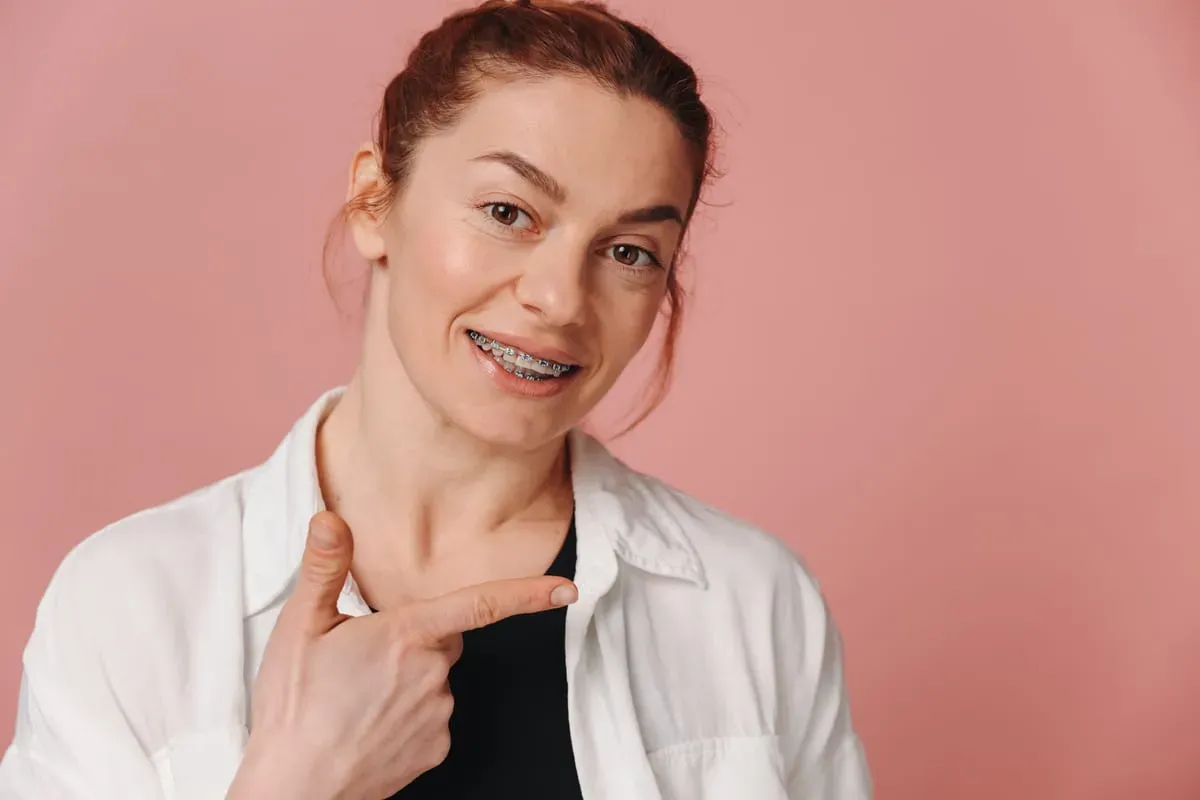
Most of us don't think much about how our teeth fit together - until something feels off. Maybe you notice your jaw clicking when you chew, or your dentist mentions "bite alignment" at your last checkup. Perhaps you've simply lived for years with teeth that overlap, gaps that catch food, or a jaw that seems to shift to one side when you bite down. These are all clues that your bite - the way your upper and lower teeth meet - may not be functioning the way it should.
Orthodontic treatment isn't just about achieving a straighter smile for photographs. A misaligned bite, known clinically as malocclusion, can affect everything from chewing efficiency and speech clarity to jaw comfort, gum health, and the long-term wear of your teeth. Understanding whether your bite qualifies as a genuine orthodontic concern - and what your options look like - is the first step toward a healthier, more comfortable mouth.
In this article, we'll walk through the signs that suggest orthodontic treatment could benefit you, the different types of bite problems dentists commonly see, and what a candidacy evaluation actually involves. Whether you're a parent wondering about your child's smile or an adult considering treatment for the first time, this guide will help you approach the conversation with your dental team informed and confident.
Many people assume orthodontic treatment is only for crooked or crowded front teeth, but bite problems often show up in subtler ways. Some patients have perfectly straight-looking teeth from the front yet still have a bite that doesn't close correctly. Others have visible crowding but a functional bite. Recognizing the difference - and the warning signs of each - helps you understand what your smile is actually telling you.
Pay attention to how your teeth feel when you bite down naturally, not just how they look in the mirror. Small, persistent symptoms are often more revealing than obvious cosmetic concerns, and they're the details your dentist will ask about during an exam.
Not all malocclusions look or feel the same, which is why an orthodontic evaluation goes beyond a quick glance. Dentists and orthodontists classify bite irregularities into several recognizable categories, each with its own set of causes and treatment considerations. Knowing which type you might have can help you understand why certain symptoms occur.
An overbite occurs when the upper front teeth extend too far over the lower teeth, while an underbite is the reverse - the lower jaw and teeth protrude past the upper set. A crossbite happens when some upper teeth sit inside the lower teeth rather than outside them, which can cause asymmetrical wear and jaw strain on one side of the mouth. Each of these conditions can range from mild and barely noticeable to severe enough to affect facial profile and jaw function.
An open bite is present when the upper and lower teeth don't touch at all when the jaw is closed, often leaving a visible gap in the front of the mouth - commonly linked to prolonged thumb-sucking or tongue-thrusting habits in childhood. Crowding, on the other hand, happens when there isn't enough space in the jaw for all the teeth to align properly, causing overlap, twisting, or teeth that erupt out of position. Both conditions can worsen over time without intervention, making early evaluation valuable even when the issue seems minor.
It's easy to think of orthodontic treatment purely as a cosmetic upgrade, but a well-aligned bite plays a functional role in nearly every aspect of oral health. When teeth meet evenly, chewing forces distribute across the whole arch rather than concentrating on a few teeth. This even distribution reduces the risk of cracked teeth, worn enamel, and unnecessary strain on individual restorations like fillings or crowns.
Misaligned teeth are also simply harder to clean. Overlapping or crowded teeth create tight spaces where plaque and food particles accumulate, increasing the risk of cavities and gum disease over time. Patients with significant crowding often find that no amount of careful brushing and flossing fully compensates for the awkward angles between their teeth - the anatomy itself works against thorough cleaning.
Finally, an unbalanced bite can place chronic stress on the jaw joint and surrounding muscles, contributing to headaches, jaw fatigue, and in some cases, diagnosed TMJ disorders. Correcting the underlying alignment can relieve this pressure, which is why orthodontic treatment is often recommended not just for appearance, but as a component of a broader oral health and comfort strategy.
If you suspect your bite might benefit from correction, the most reliable way to find out is through a thorough evaluation rather than self-diagnosis. This typically starts with a visual and physical examination, where your dentist observes how your teeth meet when you bite naturally, checks for signs of wear, and assesses jaw movement and symmetry.
Digital X-rays and, in many cases, 3D imaging are used to look beneath the surface - examining root positions, jawbone structure, and how the upper and lower jaws relate to one another. This imaging is essential because some bite issues originate in skeletal structure rather than tooth position alone, which influences whether braces, aligners, or a combination approach involving jaw growth guidance is most appropriate.
From there, your dental team will discuss your specific concerns, whether that's discomfort, cosmetic goals, or functional issues like chewing difficulty. This conversation is just as important as the clinical findings, since treatment planning should reflect both what's measurable on an X-ray and what you personally experience day to day.
If your evaluation confirms that orthodontic treatment would benefit your bite, you'll typically have more than one path to consider. Modern orthodontics has expanded well beyond traditional metal braces, and the right option depends on the severity of your case, your daily habits, and your personal preferences around appearance and maintenance.
In more severe skeletal cases - where the jaw bones themselves are significantly misaligned rather than just the teeth - orthodontic treatment may be paired with a referral to an oral surgeon for corrective jaw surgery. These cases are less common but underscore why a comprehensive evaluation matters before committing to any single treatment path.
One of the most persistent myths about orthodontics is that it's exclusively for children and teenagers. While early evaluation - generally recommended around age seven - allows dentists to catch developing bite issues while the jaw is still growing and more responsive to guidance, adults are just as capable of achieving excellent orthodontic results. Bone and gum tissue in adults respond more slowly to gradual tooth movement, which can mean slightly longer treatment timelines, but age itself is rarely a disqualifying factor.
What matters more than age is the health of the surrounding gum tissue and bone. Since orthodontic movement relies on healthy bone remodeling around the tooth roots, active gum disease or significant bone loss needs to be addressed first. This is one reason a thorough periodontal check is typically part of any adult orthodontic evaluation - treatment sequencing matters as much as the treatment itself.
The best way to know is through a professional evaluation rather than guessing based on appearance alone. If you're experiencing jaw discomfort, uneven wear, chewing difficulty, or speech issues, it's worth scheduling a consultation even if your teeth look straight from the front.
Yes. Bite problems often progress gradually as teeth continue to shift, wear unevenly, or place ongoing stress on the jaw joint. Addressing alignment issues earlier generally means simpler treatment and less cumulative damage to enamel and supporting tissue.
For mild-to-moderate bite and alignment issues, clear aligners can be highly effective and offer a more discreet, removable alternative. However, more complex bite discrepancies - particularly those involving significant jaw misalignment - may still respond better to traditional braces, which is something your dentist can assess during your evaluation.
Many dental insurance plans include a lifetime orthodontic benefit, though coverage amounts and age restrictions vary widely between policies. Our team can help verify your specific benefits and walk through payment options before treatment begins.
Treatment length varies considerably based on the complexity of the bite issue, ranging from around six months for minor corrections to two years or more for significant misalignment. Your evaluation will include a personalized estimate based on your specific diagnosis.
A healthy bite is about far more than a picture-perfect smile - it's the foundation of comfortable chewing, clear speech, balanced jaw function, and long-term dental health. If any of the signs discussed here sound familiar, from jaw clicking to uneven tooth wear, it's a strong signal that a professional evaluation could offer real clarity and relief.
Orthodontic treatment today looks different than it did a generation ago, with options ranging from subtle clear aligners to precise traditional braces, tailored to fit your lifestyle and the specifics of your bite. The only way to know for certain whether you're a good candidate is through a proper exam with imaging and a conversation about your goals - a conversation our team at Clear Sky Dental Care is glad to have with you whenever you're ready.
Ready When You Are
Book your visit with Clear Sky Dental Care and experience gentle, modern dentistry designed around your comfort and your schedule.


 602-352-0033