

 602-352-0033
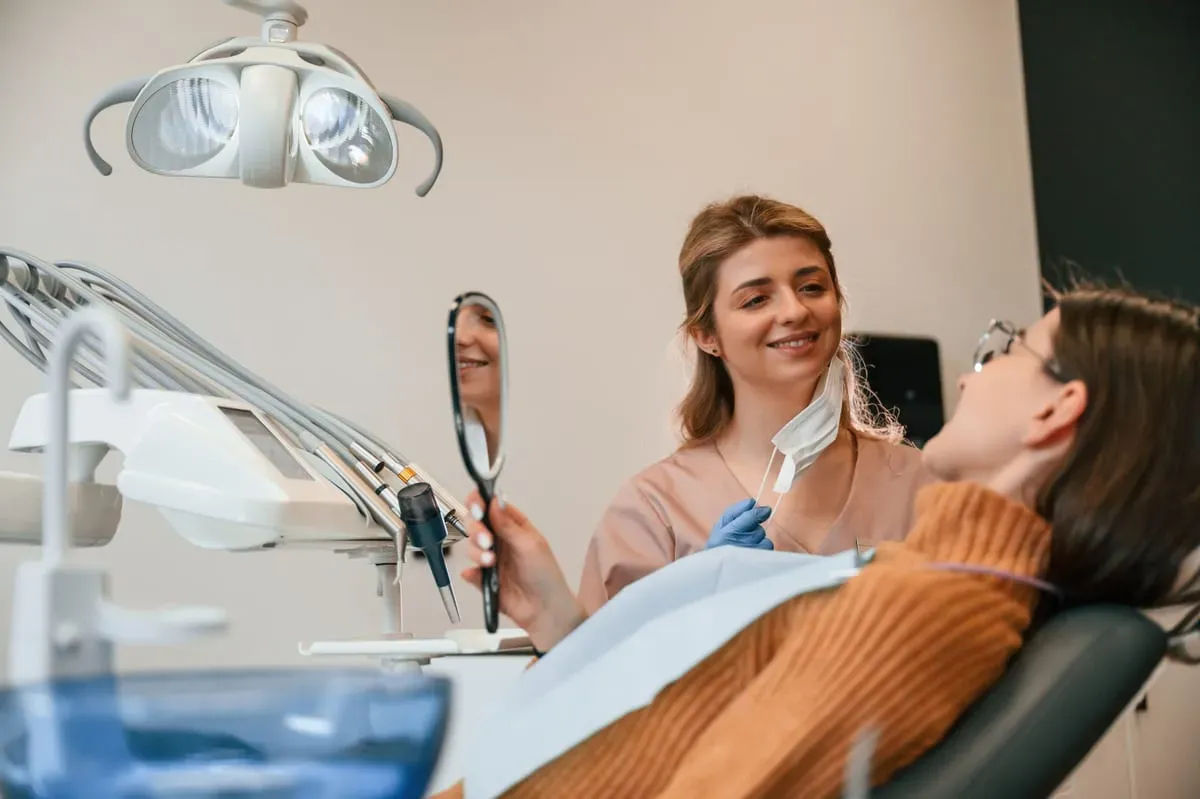
Most people think of the dentist's office as a place they visit only when something hurts. But the real value of dental care happens long before pain ever shows up - in the quiet, consistent work of cleaning and prevention. A professional cleaning does far more than polish your smile; it removes the buildup that brushing and flossing simply can't reach, and it gives your dental team a close-up view of your mouth's health before small issues become expensive, painful problems.
At Clear Sky Dental Care, we see preventive visits as the foundation of every healthy smile we help build. Patients who keep up with routine cleanings and checkups tend to need fewer fillings, fewer root canals, and less extensive treatment overall - which also means less time in the chair and less money spent over a lifetime. Prevention isn't just cheaper than treatment; it's the reason treatment is often avoidable in the first place.
This article walks through what actually happens during a professional cleaning, why it matters even if you brush diligently at home, how often you should be scheduling visits, and the everyday habits that make the biggest difference between appointments. Whether you're a lifelong regular at the dentist or someone easing back into a routine, there's something here worth knowing.
Why Professional Cleanings Matter Even If You Brush Well
Even the most disciplined brushing and flossing routine leaves something behind. Plaque, the soft, sticky film of bacteria that forms constantly on your teeth, hardens into tartar (also called calculus) within as little as 24 to 72 hours if it isn't removed. Once plaque calcifies into tartar, no amount of brushing at home can take it off - it has to be scraped away with specialized instruments by a trained hygienist or dentist.
This matters because tartar isn't just cosmetic. It creates a rough surface that attracts even more bacteria, and it tends to build up in places your toothbrush struggles to reach: along the gumline, between teeth, and behind the lower front teeth where saliva glands are concentrated. Left in place, that bacterial buildup irritates gum tissue, contributing to the inflammation that eventually leads to gum disease, bad breath, and tooth decay.
A professional cleaning resets the clock. It removes tartar and surface stains, smooths tooth surfaces so plaque has a harder time sticking in the future, and gives you a genuinely fresh starting point between visits. Combined with a dentist's examination, it also catches issues - a cracked filling, early decay, a suspicious spot on the gums - while they're still small and simple to address.
What Actually Happens During a Cleaning Appointment
A typical preventive visit at Clear Sky Dental Care combines several steps, each with a specific purpose. Understanding what's happening - and why - can make the appointment feel far less mysterious and a lot more reassuring.
- Oral examination: Your hygienist or dentist checks your teeth, gums, tongue, and the soft tissues of your mouth for early signs of decay, gum disease, or anything unusual worth a closer look.
- Scaling: Using hand instruments or an ultrasonic scaler, plaque and tartar are carefully removed from above and below the gumline, particularly in spots your toothbrush misses.
- Polishing: A gritty polishing paste smooths away surface stains and leaves teeth feeling noticeably cleaner, while also making it harder for plaque to reattach quickly.
- Fluoride treatment (when recommended): A concentrated fluoride application can strengthen enamel and offer extra protection against cavities, especially for patients prone to decay.
- X-rays (periodically): Digital images taken every one to two years reveal decay between teeth, bone loss, and other issues invisible to the naked eye.
Afterward, your dentist typically reviews findings with you directly - pointing out any areas to watch, discussing home care adjustments, and answering questions. This conversation is one of the most valuable parts of the visit, because it's tailored specifically to your mouth rather than generic advice.
How Often Should You Really Schedule Checkups?
The familiar advice to visit the dentist twice a year is a reasonable general guideline, but it isn't a one-size-fits-all rule. Twice-yearly cleanings work well for most people with healthy gums, low cavity risk, and no ongoing dental conditions. This interval lines up closely with how quickly tartar tends to reform after a cleaning and gives your dentist a consistent window to catch developing problems early.
However, some patients benefit from more frequent visits - every three to four months. This is often recommended for people with a history of gum disease, a high rate of cavities, dry mouth caused by medication, diabetes, or those who smoke, since all of these factors accelerate plaque buildup or slow healing. On the other end, some patients with excellent oral health and low risk factors may be able to safely stretch to annual visits, though this decision should always be made together with your dentist rather than assumed on your own.
The key takeaway is that "how often" is a personalized question, not a fixed number. During your visits, your dental team is continually reassessing your risk level based on what they see, which means your recommended schedule may shift over time - tightening after a period of gum inflammation, for example, or relaxing once things stabilize.
Catching Gum Disease Before It Becomes Serious
Gum disease develops in stages, and it's one of the clearest examples of why regular preventive visits matter so much. The earliest stage, gingivitis, is marked by red, swollen, or bleeding gums - and crucially, it's completely reversible with professional cleaning and improved home care. Most people don't notice gingivitis on their own because it rarely causes pain; it's often the hygienist who spots it first during a routine cleaning.
Left untreated, gingivitis can progress to periodontitis, a more advanced form of gum disease where the infection moves below the gumline and begins to break down the bone and connective tissue that hold teeth in place. Unlike gingivitis, periodontitis damage is not fully reversible - treatment can manage and stabilize it, but the goal at that stage shifts from reversal to damage control. This is precisely why early detection through routine checkups carries so much weight.
Warning Signs Worth Mentioning to Your Dentist
Gums that bleed when you brush or floss, persistent bad breath, gums that appear to be pulling away from your teeth, or teeth that feel slightly loose are all signals worth bringing up at your next visit rather than waiting for your next scheduled cleaning. Gum disease is also linked to broader health concerns, including cardiovascular disease and complications with diabetes, which is one more reason to treat gum health as more than a cosmetic issue.
Daily Habits That Support Your Professional Care
Professional cleanings are essential, but they're designed to complement your daily routine, not replace it. What you do at home between visits determines how much plaque and tartar have a chance to build up in the first place, and it directly affects how healthy your mouth is when you sit down in the chair.
Brushing twice a day with a fluoride toothpaste, for two full minutes each time, remains the single most effective home habit. Many people brush too quickly or miss the same spots repeatedly - an electric toothbrush with a built-in timer can help ensure more even, thorough coverage. Flossing once daily is just as important, since it's the only way to clean between teeth where a toothbrush's bristles simply cannot reach; string floss, floss picks, and water flossers can all be effective depending on personal preference and dexterity.
Diet also plays a meaningful role. Frequent snacking on sugary or starchy foods gives bacteria a steady fuel supply throughout the day, while sipping sugary or acidic drinks slowly erodes enamel over time. Drinking water throughout the day, limiting between-meal snacking, and being mindful of how often (not just how much) sugar you consume can noticeably reduce cavity risk. None of these habits need to be perfect - consistency matters far more than occasional lapses.
Prevention at Every Life Stage
Preventive dental needs shift throughout life, and a good hygiene routine at twenty-five doesn't necessarily fit the needs of the same person at sixty. Children benefit enormously from early exposure to routine cleanings, sealants on molars to block decay in deep grooves, and guidance on healthy habits before problems have a chance to start. Establishing a comfortable relationship with the dentist early also tends to reduce anxiety about dental visits well into adulthood.
Adults juggling busy schedules sometimes let preventive visits slip, but this is often when risk factors like stress-related teeth grinding, changes in medication, or gum recession start to appear. Pregnant patients face a unique consideration too: hormonal shifts during pregnancy can increase susceptibility to gum inflammation, making preventive visits during this time especially valuable rather than something to postpone.
Older adults may deal with dry mouth from medications, more exposed root surfaces prone to decay, and existing dental work like crowns or bridges that need monitoring. Regardless of age, the underlying principle stays the same: consistent professional care paired with adapted home habits gives you the best chance of keeping your natural teeth healthy and functional for life.
Key Takeaways
- Tartar cannot be removed by brushing alone - only a professional cleaning fully clears it away.
- Cleaning visits combine an exam, scaling, polishing, and sometimes fluoride or X-rays to catch problems early.
- How often you should visit depends on your personal risk factors, not a fixed rule for everyone.
- Gingivitis is reversible, but untreated gum disease can progress to permanent bone and tissue damage.
- Daily brushing, flossing, and mindful eating are what keep the results of a cleaning lasting longer.
Frequently Asked Questions
Does a professional cleaning hurt?
Most patients feel only mild pressure or sensitivity, especially if there's significant tartar buildup or inflamed gums. If you have particularly sensitive teeth or anxious about the sensation, let your hygienist know beforehand - they can adjust technique or use a numbing gel to make things more comfortable.
Why do my gums bleed a little during cleanings?
Bleeding during a cleaning is usually a sign of gum inflammation caused by plaque and tartar sitting along the gumline, not a sign the cleaning itself is too rough. It typically improves as inflammation resolves with regular cleanings and consistent flossing at home.
Can I skip X-rays if I feel fine?
Many dental problems, including decay between teeth and bone changes from gum disease, produce no symptoms until they're fairly advanced. Periodic X-rays are one of the few ways to catch these issues early, which is why your dentist may still recommend them even when nothing feels wrong.
Is an electric toothbrush really better than a manual one?
Studies generally show electric toothbrushes remove slightly more plaque than manual brushing, largely because their built-in timers and consistent motion help people brush more thoroughly and for the full recommended time. That said, a manual toothbrush used correctly and consistently can still deliver excellent results.
What if I've fallen behind on dental visits for a few years?
It's a more common situation than you might think, and there's no need to feel embarrassed about it. Your dentist will simply do a thorough assessment to see where things stand and build a realistic plan to get your oral health back on track, often starting with a deeper cleaning if tartar buildup is significant.
Building Prevention Into Your Routine
Cleaning and prevention aren't glamorous topics, but they quietly do the heaviest lifting in keeping your smile healthy. A professional cleaning removes what home care can't, gives your dentist a chance to catch problems while they're still small, and resets the conditions in your mouth for renewed protection. None of it requires dramatic effort - just consistency, showing up for scheduled visits, and pairing that with steady daily habits.
If it's been a while since your last checkup, or you're simply due for your next one, there's no better time to get back on schedule. Prevention works best when it's ongoing, and every visit adds another layer of protection for the years ahead.