

 602-352-0033
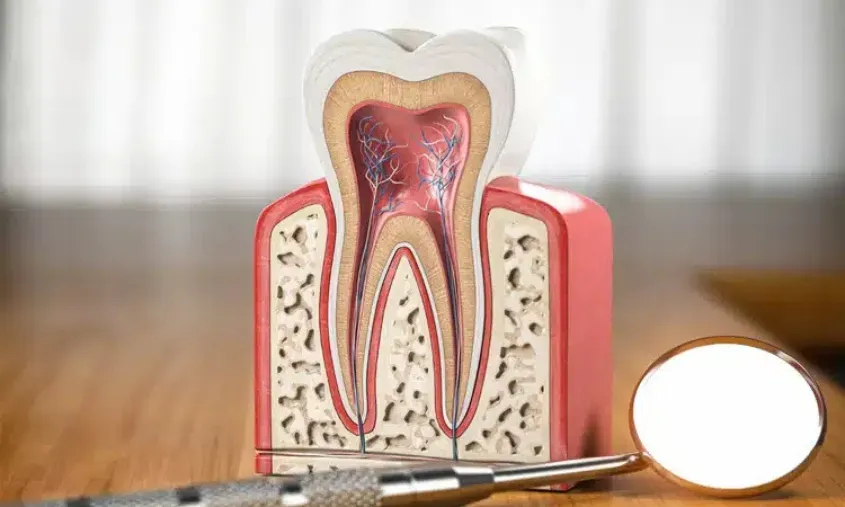
A root canal is meant to relieve pain, not create it - so it can feel alarming when your tooth still aches days or even weeks after the procedure. The good news is that some discomfort after a root canal is completely normal, and it usually fades on its own within a few days. But not every ache is created equal, and understanding why you're still feeling something can help you tell the difference between routine healing and a sign that something needs attention.
Root canal treatment removes infected or inflamed pulp tissue from inside a tooth, cleans out the canals, and seals them to prevent further infection. It's a highly effective procedure with a success rate above 95%, but the tooth and surrounding tissues have just been through a significant amount of manipulation. Some soreness is expected as part of the healing process, much like you'd expect tenderness after any minor surgical procedure.
In this article, we'll walk through eight of the most common reasons patients experience pain after a root canal, explain which ones are simply part of normal recovery, and highlight the warning signs that mean it's time to call your dentist. Knowing what to expect can ease your worries and help you heal with confidence.
In This Article
- Normal Post-Procedure Inflammation and Tissue Irritation
- A Residual or Missed Infection in the Canal
- A Bite That Sits Too High
- An Undetected Cracked Tooth
- Sinus Pressure or Referred Pain From Nearby Teeth
- A Missed or Extra Canal
- Irritation of the Gum and Ligament Tissue
- Treatment Failure Requiring Retreatment or Extraction
Normal Post-Procedure Inflammation and Tissue Irritation
The most common reason for pain after a root canal has nothing to do with the tooth itself and everything to do with the tissues around it. During treatment, your dentist works with small instruments inside the root canal system, and this manipulation can irritate the ligament that holds the tooth in its socket. That ligament, called the periodontal ligament, is packed with nerve endings, which is why even minor irritation can produce noticeable soreness.
This type of discomfort typically feels like a dull ache or tenderness when biting down, rather than the sharp, throbbing pain that brought you in for treatment in the first place. It usually peaks within the first one to three days and gradually improves over the following week. Over-the-counter anti-inflammatory medication, as recommended by your dentist, along with soft foods and avoiding chewing directly on the treated tooth, is usually enough to manage it.
It's worth noting that the degree of inflammation before treatment often predicts how much soreness you'll feel afterward. If your tooth was significantly infected or abscessed prior to the root canal, your body's inflammatory response was already elevated, and it takes a few extra days for that response to settle down completely.
A Residual or Missed Infection in the Canal
Root canals are performed to remove infected pulp tissue and bacteria from inside the tooth, but the canal system inside a tooth can be remarkably complex, with tiny branches and curves that are difficult to fully access. If bacteria remain in a hidden pocket of the canal, the infection can persist even after the visible portion of the procedure appears successful.
Pain from a lingering infection tends to feel different from ordinary post-procedure soreness. It's often described as throbbing, pressure-like, or accompanied by swelling in the gum, a bad taste, or low-grade fever. This kind of pain typically doesn't improve with time the way normal healing discomfort does - it may actually worsen a few days after treatment rather than fade.
If a residual infection is suspected, your dentist may recommend a course of antibiotics, additional cleaning of the canal, or in some cases retreatment of the tooth. Catching this early is important, since an untreated infection can spread to the surrounding bone and jaw tissue.
A Bite That Sits Too High
After a root canal, most teeth are restored with a filling or a crown to protect the remaining tooth structure. If that restoration is even slightly too tall, the tooth will make first contact when you bite down, absorbing more pressure than it should. Because the ligament around a recently treated tooth is already a little inflamed, this extra pressure can translate directly into pain.
This type of pain usually shows up specifically when chewing or when the teeth come together, and it tends to feel localized to that one tooth rather than a general ache. It's one of the easiest causes of post-root-canal pain to fix, since it simply requires your dentist to check the bite with articulating paper and adjust the height of the restoration by a fraction of a millimeter.
Patients sometimes hesitate to mention this kind of discomfort because it seems minor, but a high bite left uncorrected can cause ongoing irritation to the ligament, delay healing, and in rare cases contribute to a cracked restoration. A quick adjustment appointment is usually all it takes to resolve it.
An Undetected Cracked Tooth
Sometimes a tooth requires a root canal precisely because a crack has allowed bacteria to reach the pulp. In these cases, treating the infection doesn't necessarily resolve the crack itself, and if it extends below the gumline or into the root, it can continue to cause pain even after a technically successful root canal.
Cracked tooth pain has a distinctive pattern: it's often sharp and brief, triggered by biting or releasing pressure, rather than a constant ache. Cracks can be notoriously difficult to detect, even with X-rays, because they may not show up clearly until they've progressed. Your dentist may use magnification, dyes, or bite tests to try to pinpoint the crack's location and severity.
What Happens If a Crack Is Found
Treatment depends on how far the crack extends. A crack limited to the crown of the tooth can often be stabilized with a full-coverage crown, which holds the tooth together and prevents the crack from spreading further. Unfortunately, if the crack extends into the root, the tooth's long-term prognosis is much poorer, and extraction may ultimately be the more predictable option.
Sinus Pressure or Referred Pain From Nearby Teeth
Not every ache you feel after a root canal actually originates in the treated tooth. The roots of the upper back teeth sit very close to the maxillary sinuses, and inflammation from a root canal procedure can sometimes irritate the sinus lining, producing pressure that feels remarkably similar to tooth pain. This is especially common if you already had some sinus congestion or a mild cold around the time of treatment.
Dental pain can also be "referred" from a neighboring tooth or even the opposite jaw. The nerves that supply the teeth share pathways, so pain signals can sometimes be misread by the brain as coming from a different location than their true source. This is one reason dentists sometimes ask patients to point precisely to where it hurts and to describe whether the sensation changes with head position or temperature.
If sinus involvement is suspected, the discomfort typically feels like pressure across the cheekbone or under the eye, and it may worsen when bending forward or lying down. This usually resolves as any accompanying congestion clears, though your dentist can help distinguish it from a dental source if you're unsure.
A Missed or Extra Canal
Teeth are supposed to have a predictable number of root canals, but nature doesn't always follow the textbook. Molars, in particular, sometimes have an extra canal that's narrower, curved, or positioned in an unusual spot, making it easy to overlook even with careful examination. If a canal containing infected tissue is left untreated, the infection inside it can continue to cause pain regardless of how well the other canals were cleaned and sealed.
This is one of the reasons experienced endodontists rely on high-magnification microscopes and detailed imaging like cone-beam CT scans when treating molars - these tools significantly improve the odds of locating every canal on the first attempt. Even so, anatomical variation is a well-recognized challenge in endodontics, and it's a leading cause of persistent symptoms after otherwise well-executed treatment.
If a missed canal is identified as the source of ongoing pain, treatment usually involves reopening the tooth to locate, clean, and seal the overlooked canal. Many patients are relieved to learn that once the missed canal is treated, symptoms typically resolve fairly quickly.
Irritation of the Gum and Ligament Tissue
During a root canal, a small rubber sheet called a dental dam is placed to isolate the tooth and keep the area dry and sterile. Clamps and other instruments used to hold this dam in place can occasionally pinch or irritate the gum tissue around the tooth. Similarly, the injection site for local anesthesia can remain tender for a few days after treatment.
This type of soreness is generally mild, localized to the gum rather than the tooth itself, and improves steadily day by day. It can sometimes be mistaken for a sign that something has gone wrong with the root canal, when in reality it's simply a byproduct of the mechanics of the procedure.
- Gentle rinsing: Warm salt water rinses several times a day can soothe irritated gum tissue and support healing.
- Soft-bristled brushing: Using a gentle touch near the treated area avoids further aggravating tender tissue.
- Avoiding trauma: Steering clear of hard or crunchy foods near the area gives the gum time to settle.
Treatment Failure Requiring Retreatment or Extraction
Although root canals succeed in the vast majority of cases, no dental procedure carries a 100% guarantee. Occasionally a tooth simply doesn't heal as expected, even when the procedure was performed correctly and no obvious cause like a missed canal or crack can be identified. This is sometimes attributed to complex canal anatomy, an unusually resistant bacterial population, or a compromised immune response.
Signs of a failing root canal usually appear weeks to months after treatment rather than in the first few days. These can include a return of throbbing pain, swelling, a pimple-like bump on the gum (called a fistula), or tenderness that keeps coming back. An X-ray at a follow-up visit can often show a persistent area of infection at the root tip, called a periapical lesion, confirming that the tooth needs further attention.
When failure occurs, retreatment - reopening the tooth to clean it out again - is often the first option, and it succeeds in restoring health to the tooth in many cases. If retreatment isn't feasible or doesn't resolve the issue, a specialist procedure called an apicoectomy, which treats the infection from the root tip through the gum, may be recommended. Extraction remains a last resort when the tooth truly can't be saved.
Key Takeaways
- Mild soreness for a few days after a root canal is normal and usually caused by ligament irritation, not treatment failure.
- Pain that worsens instead of improving, or that comes with swelling and fever, can signal residual infection.
- A high bite is one of the simplest and most common fixes - a quick adjustment often resolves biting pain.
- Cracked teeth, missed canals, and sinus pressure can all mimic ongoing root canal pain and need different treatments.
- Persistent or worsening pain deserves a follow-up visit - early evaluation gives your tooth the best chance of being saved.
Frequently Asked Questions
How long is it normal to have pain after a root canal?
Most patients experience mild to moderate soreness for two to three days, which then steadily improves. Some residual sensitivity to biting pressure can linger for one to two weeks, especially in teeth that were significantly infected before treatment. Pain that intensifies after the first few days or persists beyond two weeks should be evaluated.
Is throbbing pain after a root canal an emergency?
Throbbing pain, especially alongside swelling, fever, or a bad taste in the mouth, is not typical of normal healing and warrants a call to your dentist promptly. It doesn't always mean the root canal failed, but it does usually mean the tooth needs to be reassessed.
Can I take ibuprofen or acetaminophen for post-root canal pain?
Yes, over-the-counter anti-inflammatory or pain-relieving medication is generally safe and effective for managing typical post-procedure discomfort, as long as you don't have a medical reason to avoid them. Always follow the dosing guidance your dentist provides and mention any other medications you're taking.
Why does my tooth still hurt when I bite down weeks later?
Persistent biting pain weeks after treatment is often a sign of a high bite from the restoration, an undetected crack, or a missed canal. This isn't something to simply wait out - a follow-up exam can usually identify the exact cause and correct it.
Does pain after a root canal mean the treatment failed?
Not necessarily. Root canals have a high success rate, and most post-treatment pain is simply part of normal healing or a minor, fixable issue like a high bite. True failure is less common and is usually confirmed with a clinical exam and X-ray rather than assumed from pain alone.
Listening to Your Tooth After Treatment
Pain after a root canal isn't unusual, but it isn't something to simply grit your teeth through, either. In most cases, mild tenderness is your body's normal response to a procedure that involved cleaning out infected tissue, and it resolves on its own within a week or so with basic care. In other cases, the pain is your tooth's way of signaling something specific - a high spot in the bite, a hidden canal, a lingering infection, or a crack that needs attention.
The key is paying attention to the pattern of your pain: how intense it is, whether it's improving or worsening, and what triggers it. If anything feels off, a quick follow-up visit is always worth it. Root canals are designed to save your natural tooth and relieve pain for the long term, and identifying the true source of any lingering discomfort is the surest way to make sure that outcome sticks.