Losing one or more teeth changes more than your smile. It affects how you chew your favorite foods, how clearly you speak, and how confident you feel in everyday conversations. For millions of adults across the country, and plenty of patients right here in Phoenix, removable dentures remain one of the most practical, affordable, and reliable ways to restore a full set of teeth. But "practical" doesn't mean "one-size-fits-all," and deciding whether removable dentures are the right path for you depends on several personal factors.
This article walks through how removable dentures work, who tends to benefit most from them, what daily life looks like once you have them, and how they compare to other tooth replacement options. Our goal is to give you enough real information to have an informed conversation with your dentist, not just a sales pitch.
Arizona's dry climate, active outdoor lifestyle, and a population that skews toward retirees relocating for the sunshine all play a role in why removable dentures stay a common request at dental practices across the Valley. If you are weighing your options, understanding the practical realities ahead of time will help you make a decision you feel good about.
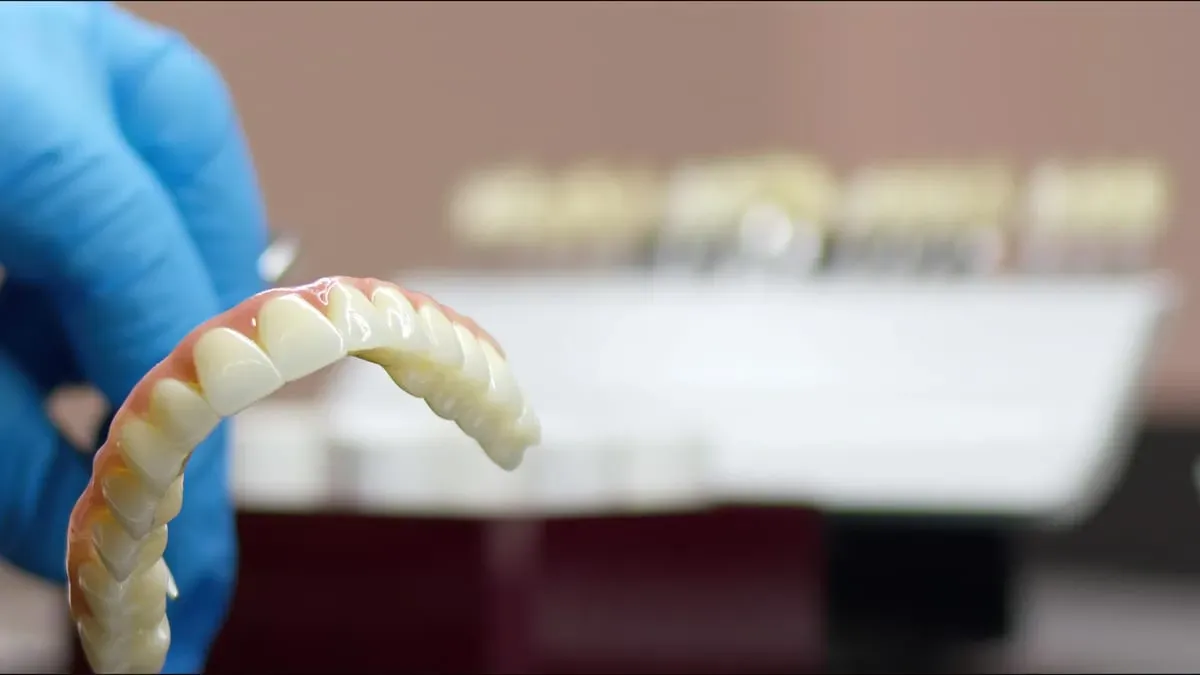
Removable dentures are custom-made appliances designed to replace missing teeth and the surrounding gum tissue. Unlike dental implants, which are surgically anchored into the jawbone, removable dentures sit on top of the gums and can be taken in and out by the wearer. They are built from a gum-colored acrylic base that supports a set of prosthetic teeth, carefully shaped and shaded to match your natural bite and facial structure.
Modern removable dentures bear little resemblance to the bulky, obviously artificial sets many people remember from decades past. Today's materials are lighter, stronger, and more precisely fitted thanks to digital impressions and improved acrylic and metal-alloy frameworks. A well-made denture should feel secure enough to let you eat, laugh, and speak without constantly thinking about it.
At our practice, removable dentures are part of a broader category of tooth replacement solutions under our restorative dentistry services, and we also offer dentures and partials tailored to different stages of tooth loss. The specific design, materials, and fit are always based on your individual anatomy, the number of teeth being replaced, and your personal goals for comfort and appearance.
Removable dentures work well for a wide range of patients, but a few circumstances make them a particularly strong fit. Patients who have lost most or all of their teeth due to decay, gum disease, or injury are often excellent candidates, especially if they prefer a non-surgical solution or have health conditions that make implant surgery riskier. Age alone is never a disqualifier; we have fitted dentures for patients in their thirties after significant tooth loss and for patients in their eighties looking to replace an aging, ill-fitting old set.
Bone density is one of the more important clinical factors. Dental implants require adequate jawbone to anchor the posts, and patients who have experienced significant bone loss from years without teeth may not have enough bone to support implants without a bone graft. Removable dentures sidestep this issue entirely since they rest on the gum ridge rather than inside the bone.
Not every patient needs a complete set of replacement teeth. Full dentures are designed for patients who have lost all of their natural teeth in either the upper or lower arch, or both. They rely on suction, natural gum ridge contours, and sometimes a mild adhesive to stay in place throughout the day.
Partial dentures, by contrast, are built for patients who still have some healthy natural teeth remaining. A removable partial denture uses a metal or flexible framework that clips onto the existing teeth, filling in the gaps left by missing ones while keeping your remaining teeth stable and properly positioned. Without a partial denture to fill those gaps, neighboring teeth can gradually shift out of alignment, which creates bite problems down the road.
Choosing between a full or partial denture isn't just about counting missing teeth. It also factors in the health of your remaining teeth and gums, whether those teeth can structurally support a partial framework, and your long-term oral health goals. During a consultation, we evaluate your remaining dentition, take digital images, and discuss whether a partial denture, a full denture, or a combination approach involving dental bridges makes the most sense for your specific mouth.
Getting fitted for removable dentures is a multi-step process, and understanding the timeline helps set realistic expectations. The first visit typically involves a thorough oral exam, including any necessary extractions, X-rays, and impressions of your gums and remaining teeth. If extractions are required, your dentist will discuss whether you need healing time before the final denture is fabricated or whether an immediate denture makes sense for your situation.
From there, a dental laboratory crafts a model and, in many cases, a trial denture that lets you and your dentist check the fit, bite alignment, and appearance before the final version is made. This trial stage is where small adjustments to tooth shade, shape, and positioning happen, so don't hesitate to speak up if something looks or feels off. Getting this stage right dramatically improves comfort and satisfaction once you're wearing the finished denture every day.
Once the final denture is delivered, expect a short adjustment period. Minor sore spots, slightly altered speech patterns, and increased saliva production are normal in the first couple of weeks. Most patients find these effects resolve as the muscles of the tongue and cheeks adapt to the new appliance. If a denture is still causing discomfort after a few weeks, follow-up adjustments are a normal and expected part of the process, not a sign that something went wrong.
Adjusting to life with removable dentures involves a learning curve, but most patients settle into a comfortable routine within a few weeks. Eating is often the biggest adjustment. Starting with softer foods cut into small pieces, then gradually reintroducing firmer textures, helps your mouth build confidence with the new bite pattern. Many patients find that chewing evenly on both sides of the mouth improves stability.
Phoenix's climate adds a small but real consideration: dry air and heat can contribute to dry mouth, which affects how well a denture adheres to the gums throughout the day. Staying well hydrated and using a denture adhesive when recommended by your dentist can help maintain a secure fit, particularly during the hottest months when outdoor activity and water loss both increase.
Cleaning your dentures properly also matters more than most people realize. Dentures should be brushed daily with a non-abrasive cleanser, soaked overnight in a denture-safe solution, and never exposed to hot water, which can warp the acrylic base. Keeping up with regular professional cleanings and checkups, through our cleaning and prevention program, helps us catch any fit changes early, since your gum ridge naturally reshapes over time and dentures may need periodic relining or adjustment to stay comfortable.
Removable dentures aren't the only way to replace missing teeth, and understanding how they stack up against alternatives helps clarify whether they're truly the right fit for you. Dental implants offer excellent stability and a feel closest to natural teeth, since they are anchored directly into the jawbone, but they require sufficient bone density, a longer treatment timeline, and a higher upfront investment. For patients missing just one or a few teeth in a row, fixed dental bridges can also be an option, provided the adjacent teeth are healthy enough to support them.
Removable dentures hold their own advantages in this comparison. They are more affordable, require no surgery, can usually be completed faster, and are easier to repair or modify later if your oral health changes. For patients managing other health concerns or those who simply want a proven, lower-cost solution, that combination of accessibility and flexibility is often the deciding factor.
Some patients also choose a hybrid approach, pairing a few strategically placed implants with a removable overdenture that snaps onto them for added stability, without the cost of a full implant-supported arch. If you're weighing tooth replacement options more broadly, we also address this topic in our overview of missing teeth solutions, which can help frame the decision alongside your dentist's clinical recommendation.
Key Takeaways
Most removable dentures last between five and ten years with proper care, though your gum ridge and bone structure will continue to change over time. Regular checkups help us determine when a reline, adjustment, or full replacement is needed to keep the fit comfortable and functional.
There is usually a short adjustment period where certain words feel different to pronounce and some foods require extra care. Most patients adapt within two to four weeks as the tongue, cheeks, and lips learn to work with the new appliance.
We generally recommend removing dentures at night to give your gums a chance to rest and to reduce the risk of bacterial buildup. Soaking them overnight in a denture-safe solution also helps maintain their shape and cleanliness.
Many dental insurance plans provide partial coverage for removable dentures, often categorizing them as a major restorative procedure. Coverage amounts vary widely, so our team can help verify your benefits and walk through payment options before treatment begins.
A loose or ill-fitting denture is usually a sign that your gum ridge has changed shape over time, which is a normal part of the aging process. Rather than living with discomfort, scheduling a reline or adjustment appointment can restore a secure, comfortable fit without needing an entirely new denture.
There is no universal answer to whether removable dentures are the right choice. The decision depends on how many teeth you're missing, the condition of your remaining teeth and bone, your budget, and how you want your daily routine to look. For many patients, removable dentures offer a dependable, well-understood solution that restores function and confidence without the surgical commitment that other treatments require.
The best way to know for certain is a conversation with a dentist who can examine your mouth, review your health history, and walk through the realistic pros and cons of each option available to you. Our team at Clear Sky Dental Care has guided many Phoenix patients through exactly this decision, and we're glad to do the same for you.
Interested in the topics discussed in this guide? Explore our specialized treatments and services.
Ready When You Are
Book your visit with Clear Sky Dental Care and experience gentle, modern dentistry designed around your comfort and your schedule.


 602-352-0033