If you have spent years glancing in the mirror and wishing your teeth were a little straighter, you are not alone. A lot of our patients at Clear Sky Dental Care tell us the same thing: they considered braces as teenagers, decided against it, and have been thinking about it ever since. The good news is that orthodontic treatment today looks very different from what it did a decade or two ago, and for most adults in Phoenix, Invisalign has become the practical, low-friction way to finally fix it.
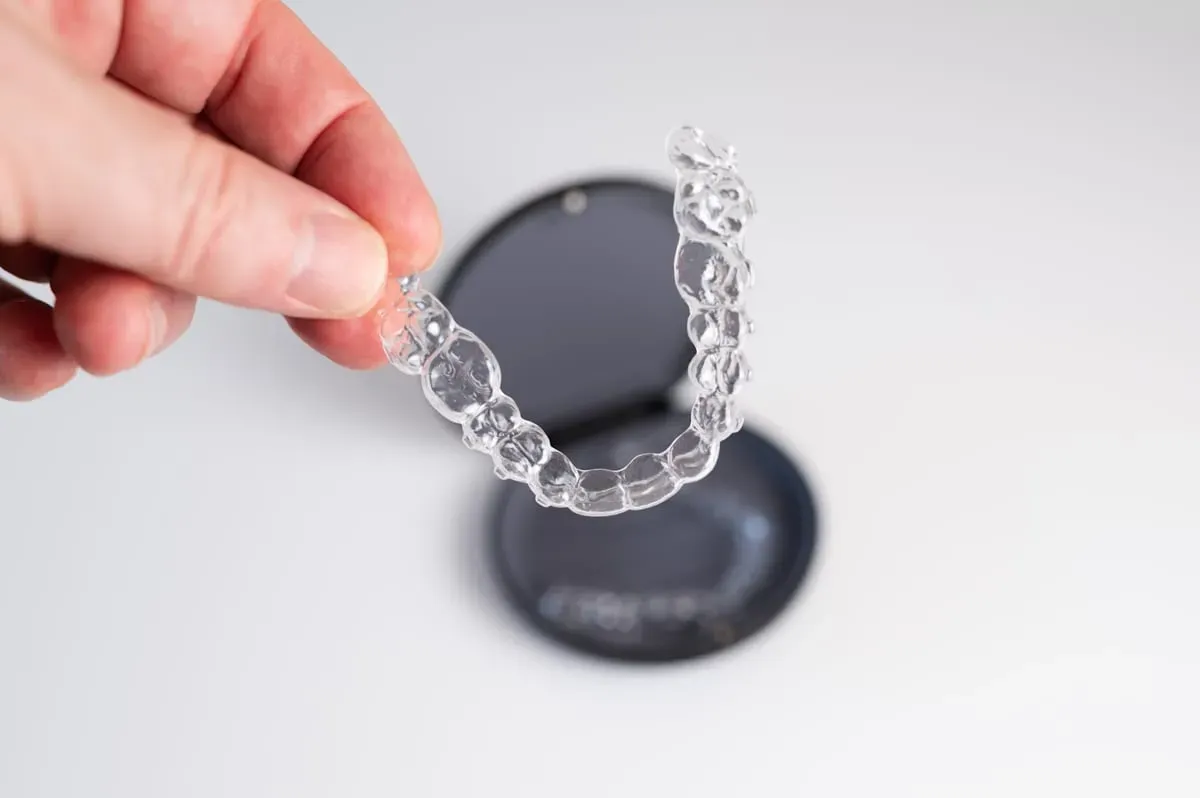
Invisalign uses a series of custom, clear plastic aligners instead of metal brackets and wires to gradually shift your teeth into a straighter, healthier position. It was built around the idea that straightening your teeth should not require interrupting your life, your job, or your appearance for a year or two. For adults juggling careers, family schedules, and social commitments, that difference matters.
In this article, we will walk through five specific, practical benefits of choosing Invisalign and explain how each one translates into a better day-to-day experience for you as a patient. We will also cover who tends to be a good candidate, what to expect during treatment, and answer some of the questions we hear most often in our Phoenix office.
In This Article
The most obvious reason adults choose Invisalign over traditional braces is cosmetic. The aligners are made from a smooth, clear medical-grade plastic that sits snugly over your teeth. Unless someone is standing close and looking directly at your mouth, most people will not even notice you are wearing them. That matters a great deal if you are presenting at work, interviewing for a new job, or simply do not want your orthodontic treatment to be the first thing people notice about you.
This is a real, practical advantage, not just a marketing point. We regularly see patients in Phoenix, from attorneys to teachers to retail managers, who postponed straightening their teeth for years specifically because they did not want to wear metal brackets in a customer-facing job. Invisalign removes that barrier. You can go through an entire treatment plan, often 12 to 18 months for moderate cases, without colleagues or clients ever realizing you are mid-treatment.
It is worth noting that discretion does not come at the cost of effectiveness. The aligners use the same orthodontic principles as braces, applying controlled, gradual pressure to specific teeth at specific stages. The difference is in the delivery method, not the underlying science.
Traditional braces use brackets and wires that can irritate the inside of your cheeks and lips, especially in the first few weeks. Invisalign aligners are smooth-edged and custom-fitted to your teeth, which generally means less of that rubbing and poking sensation. Most patients feel some pressure for the first day or two after switching to a new set of aligners, which is simply a sign that the aligners are doing their job, but it is a much milder sensation than the soreness that comes after a braces tightening appointment.
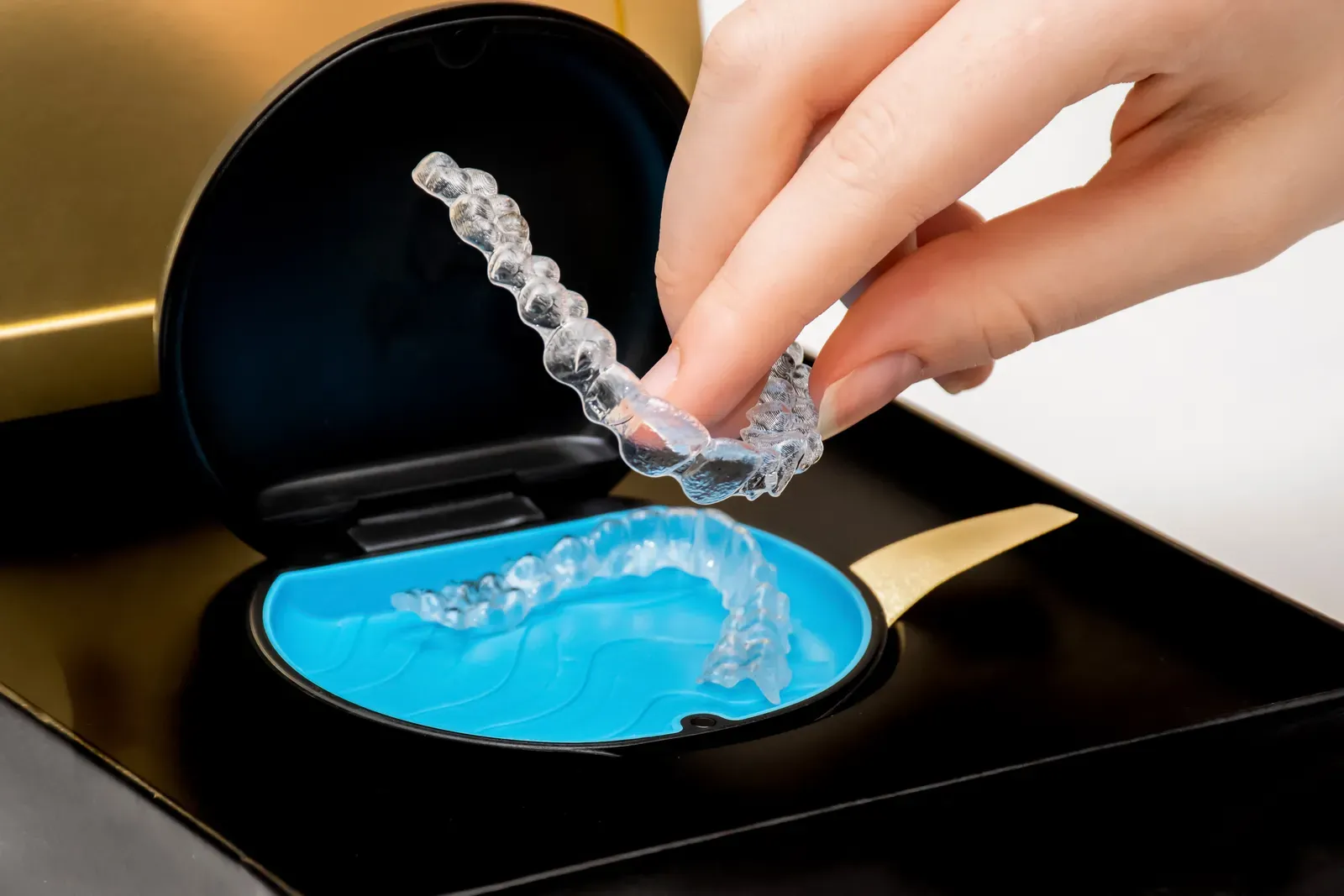
The bigger comfort factor, though, is that the aligners come out. You take them off to eat, which means no restrictions on what foods you can enjoy. No avoiding popcorn, corn on the cob, steak, or hard candy because you are worried about snapping a wire. You also remove them to brush and floss, so your normal hygiene routine barely has to change.
Anyone who has worn traditional braces, or watched a family member go through it, knows that keeping teeth clean around brackets and wires takes real effort. Food particles get trapped around the hardware, flossing requires a threader, and plaque buildup around brackets can lead to white spot decalcification if hygiene slips even a little. This is one of the most underrated advantages of Invisalign: you brush and floss exactly the way you always have, with nothing in the way.
Because the aligners are removable, you simply take them out before you brush your teeth in the morning and evening, and before any snack or meal during the day. That means your regular toothbrush and floss routine stays intact for the full duration of treatment. It also makes it far easier to maintain the results of any professional cleaning and prevention care you receive between orthodontic checkups.
Good hygiene during orthodontic treatment is not just about fresh breath. Teeth that move through treatment while surrounded by plaque are more prone to developing cavities and gum inflammation right where the brackets would normally sit. By removing that obstacle entirely, Invisalign tends to produce a cleaner, healthier mouth by the time treatment finishes, provided you stay consistent with wearing your aligners as directed.
Traditional braces typically require a visit every four to six weeks for adjustments, where a dentist or orthodontist tightens the wires to continue moving your teeth. With Invisalign, your custom aligner sets are mapped out in advance using digital scans and 3D treatment planning software, so you switch to a new set every one to two weeks on your own, at home. Office visits are usually scheduled every six to eight weeks, mainly to check progress and make sure the aligners are tracking correctly.
For working adults in the Phoenix area, this translates into fewer trips to the dental office, less time away from work, and less juggling of childcare or scheduling conflicts. It also means you have a clearer picture of your treatment from day one. Because the entire series of aligners is planned using a digital model of your teeth before treatment even begins, we can show you a simulation of how your smile is expected to progress and roughly how long the full process will take.
That predictability is valuable. You are not wondering, appointment to appointment, how many more months of treatment remain. You have a general roadmap from the start, with adjustments made along the way if your teeth respond faster or slower than expected.
It is easy to think of Invisalign purely as a cosmetic upgrade, but misaligned teeth carry functional consequences that extend well beyond appearance. Crowded or crooked teeth are harder to clean thoroughly, which raises your risk of cavities and gum disease over time. Teeth that do not meet correctly when you bite down can also place uneven pressure on certain teeth, contributing to enamel wear, jaw discomfort, and in some cases chronic headaches.
Straightening your teeth with Invisalign addresses the root cause rather than just the visible symptom. Properly aligned teeth distribute biting forces more evenly, which can ease strain on the jaw joint and reduce abnormal wear patterns. Teeth that are easier to clean because they are no longer overlapping or twisted are also teeth that are easier to protect from decay for the rest of your life.
Straighter teeth also create a better foundation for other dental treatments down the road. Patients considering porcelain veneers or other cosmetic work often benefit from starting with properly aligned teeth, since it gives the restorative dentist a more even, predictable surface to work with and can reduce the amount of enamel that needs to be adjusted later.
Invisalign works well for a wide range of alignment issues, including mild to moderate crowding, gaps between teeth, and certain bite irregularities like mild overbites, underbites, and crossbites. It is particularly popular among adults who had braces as teenagers and have experienced some relapse over the years, since many of those cases only require modest correction.
More severe bite problems or significant jaw misalignment may still call for traditional braces or a combination of orthodontic approaches, which is why a proper evaluation matters before starting treatment. During a consultation at Clear Sky Dental Care, we take digital scans of your teeth, review your bite, and discuss your goals before recommending whether Invisalign, or another option such as our straighter smile orthodontic solutions, is the right fit for you.
Commitment also matters. Invisalign requires wearing your aligners for 20 to 22 hours a day, removing them only to eat, drink anything other than water, and clean your teeth. Patients who are diligent about wearing their aligners consistently tend to finish treatment on schedule, while inconsistent wear can extend the timeline.
Key Takeaways
Most adult cases take somewhere between 9 and 18 months, depending on how much movement your teeth need. Mild cases involving small gaps or slight crowding can sometimes finish in as little as 6 months, while more involved cases may take closer to two years.
Most patients report mild pressure or tightness for a day or two after switching to each new aligner, which is considerably less intense than the soreness that often follows a braces adjustment. There are no wires or brackets to irritate your cheeks and lips, which also reduces general discomfort during treatment.
Yes. Since the aligners are removable, you take them out before eating or drinking anything other than water, so there are no dietary restrictions like the ones required with traditional braces. Just be sure to brush your teeth, or at minimum rinse with water, before putting the aligners back in.
Pricing is often comparable to traditional braces and depends on the complexity of your case. Many dental insurance plans that cover orthodontics will apply the same benefit to Invisalign as they would to braces, and we can review financing options and your coverage details during your consultation.
Once your active treatment is complete, you will typically be fitted for a retainer to maintain your new tooth positions. Teeth can shift back over time without consistent retainer wear, so this step is an important part of protecting your results long-term.
Straightening your teeth as an adult is not about chasing a perfect smile for its own sake. It is about everyday comfort, easier hygiene, and reducing the kind of wear and strain that can cause real problems down the line. Invisalign has made that process far more compatible with a busy adult life, whether you are managing a career, raising kids, or simply tired of feeling self-conscious about your teeth in photos.
Every mouth is different, and the best way to know whether Invisalign is the right approach for you is a proper evaluation with digital scans and an honest discussion about your goals. Our team at Clear Sky Dental Care has walked many Phoenix patients through this exact decision, and we are glad to do the same for you.
Interested in the topics discussed in this guide? Explore our specialized treatments and services.
 Service
 Service
Ready When You Are
Book your visit with Clear Sky Dental Care and experience gentle, modern dentistry designed around your comfort and your schedule.


 602-352-0033