Walk-Ins Welcome - Same-Day Dental Appointments Available
Is Professional Teeth Whitening Safe for Your Enamel and Gums

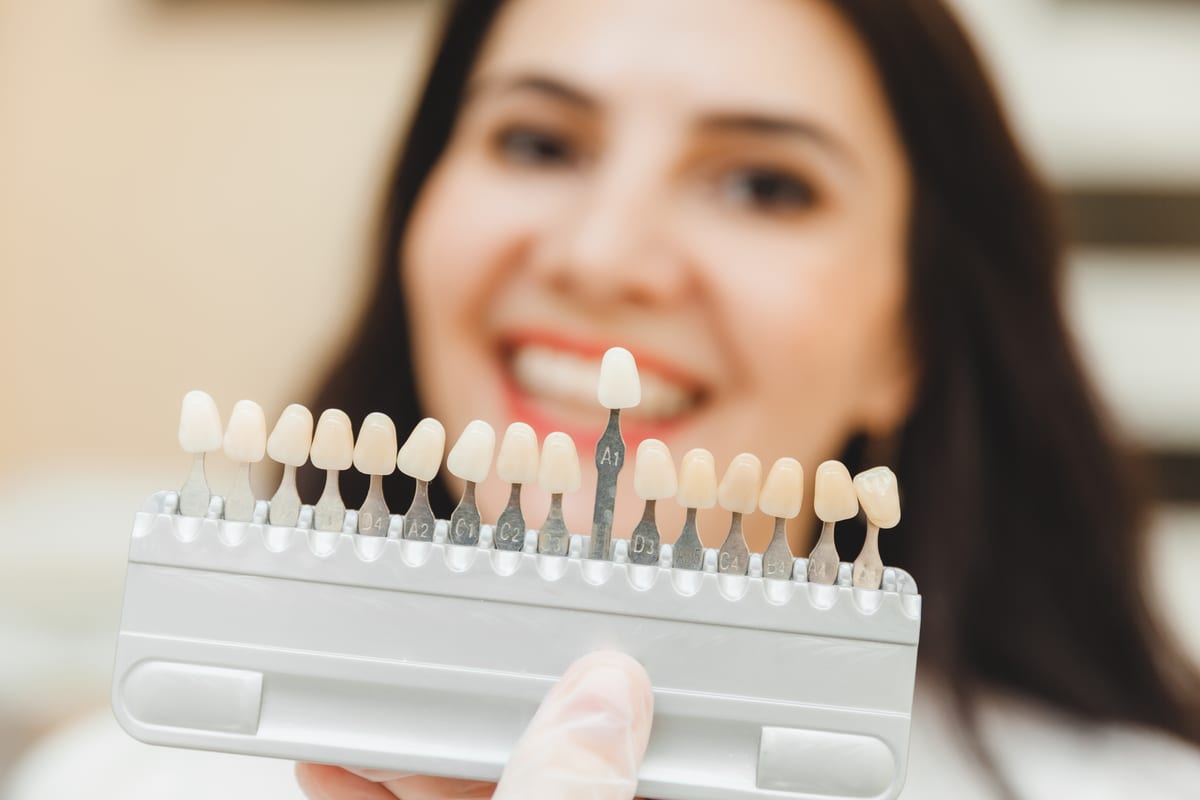
Many Phoenix residents ask the same question before their first whitening appointment: is professional teeth whitening safe for your enamel and gums? It is a fair concern. Your enamel protects your teeth, and your gums are sensitive tissue. At Clear Sky Dental Care Phoenix, Dr. Alex Wardian wants every patient to feel informed before starting any treatment. This article breaks down what the research says, who whitening is right for, and what risks actually exist.
How Professional Teeth Whitening Works on Enamel
Professional whitening uses hydrogen peroxide or carbamide peroxide as the active ingredient. These compounds penetrate the enamel surface and break apart stain molecules inside the tooth. The process is chemical, not mechanical, so it does not grind or scrape enamel away. That distinction matters a great deal for long-term tooth health.
Studies from the American Dental Association consistently show that professionally applied whitening agents do not permanently damage enamel structure. Temporary changes in mineral content can occur, but the enamel remineralizes naturally within days. Over-the-counter strips use similar chemistry, but at lower concentrations and without professional supervision. In-office treatments are calibrated to be effective and controlled.
One key safety advantage of professional whitening is custom tray fitting. The gel reaches only the tooth surface it is meant to treat. This precision reduces the risk of chemical exposure to the surrounding gum tissue.
Is Professional Teeth Whitening Safe for Your Gums in Phoenix?
Gum sensitivity is the most common concern patients raise about whitening. Peroxide gel that contacts gum tissue can cause temporary irritation or a mild burning sensation. This is more likely with poorly fitted trays or excessive gel use. Professional oversight significantly reduces both risks.
Dr. Alex Wardian evaluates gum health before recommending any whitening treatment. Patients with existing gum disease, recession, or inflammation are advised to address those issues first. Whitening on compromised gum tissue can worsen irritation and delay healing. Healthy gums respond much better to the treatment process.
Post-treatment sensitivity in the gums typically resolves within 24 to 48 hours. Using a desensitizing gel before or after whitening sessions can ease discomfort. Your dentist may also recommend a shorter treatment time if your gums are naturally reactive.
Who Should Avoid Professional Teeth Whitening
Not every patient is a good candidate for whitening, and that is completely normal. Knowing the contraindications helps you make a safer, smarter decision for your smile. Here are patient groups who should speak with a dentist before proceeding:
- Patients with active gum disease or untreated cavities
- Pregnant or breastfeeding individuals
- Children and teenagers under age 16
- Patients with severe tooth sensitivity or exposed dentin
- Those with dental restorations like crowns or veneers on front teeth (whitening does not change restoration color)
- Patients with a known allergy to peroxide compounds
If you have crowns or veneers on visible teeth, whitening your natural teeth can create a color mismatch. This is not dangerous, but it is something to plan carefully with your dentist. Restorative Dentistry Phoenix patients especially benefit from a full smile assessment before starting whitening.
Patients with significant enamel erosion should also be cautious. Thinner enamel allows peroxide to reach the inner dentin layer more easily, increasing sensitivity. A professional evaluation will identify whether your enamel can safely tolerate the process.
What to Expect During a Safe Whitening Treatment at Clear Sky Dental Care Phoenix
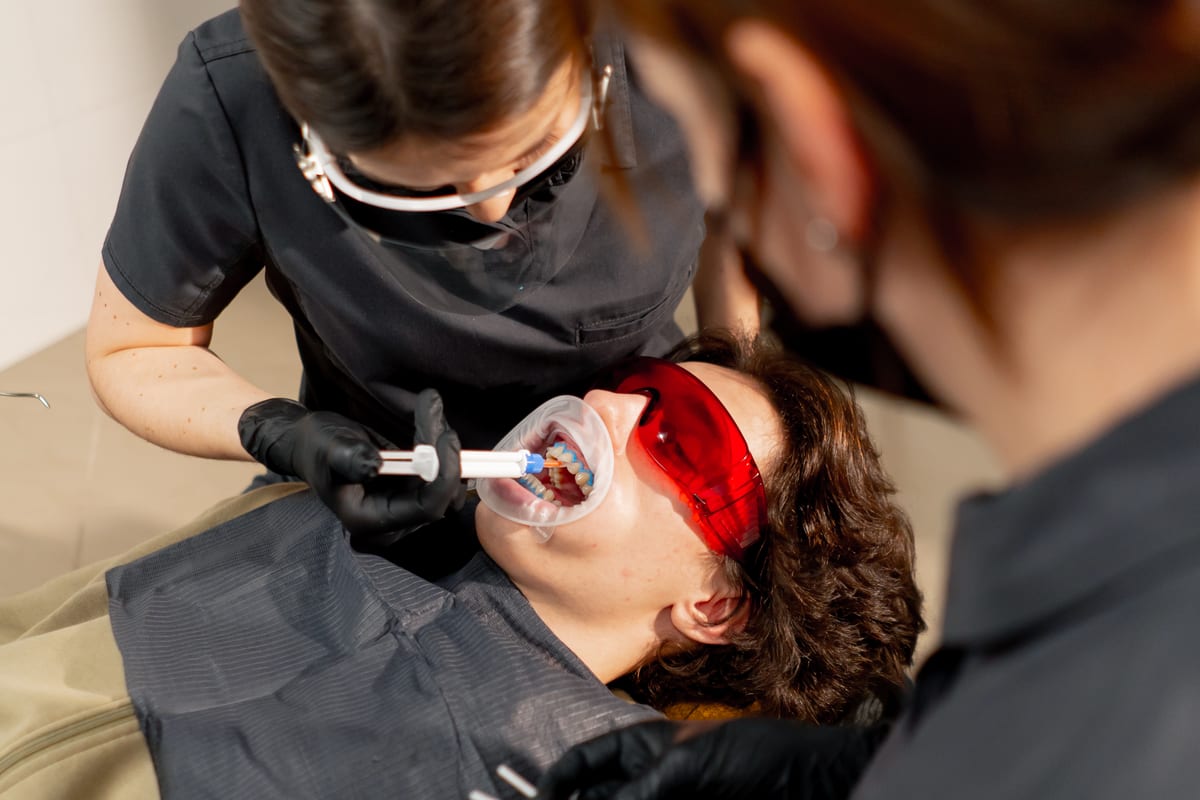
Understanding the process helps reduce anxiety and sets realistic expectations. Here is what a typical professional whitening visit looks like at our Phoenix practice:
- A thorough oral exam to check for cavities, gum health, and enamel condition
- Custom-fitted trays made from impressions of your teeth
- Application of a professional-grade whitening gel by Dr. Wardian or a trained team member
- A light or laser activation step, if applicable, to speed up the whitening process
- Post-treatment sensitivity assessment and care instructions
The entire appointment typically takes one to two hours. Most patients see noticeable results immediately after a single session. Touch-up treatments can be done at home using custom trays and a lower-concentration gel provided by your dentist.
If you experience unusual pain, prolonged sensitivity beyond 48 hours, or visible gum changes after whitening, contact your dental provider promptly. In rare situations where a reaction causes oral tissue changes, a Dental Emergency Phoenix visit may be warranted to assess and treat any concern quickly.
Tips for Maintaining Enamel Health After Whitening
Whitening results last longer when you protect your enamel consistently. Phoenix’s climate and lifestyle habits — like drinking acidic sports drinks or coffee — can wear enamel over time. Here are practical steps to keep your teeth strong and bright after treatment:
- Avoid highly acidic foods and drinks for 48 hours post-treatment
- Use a soft-bristle toothbrush and non-abrasive toothpaste
- Drink water regularly to maintain saliva flow and neutralize acids
- Use a straw when drinking staining beverages like coffee, tea, or red wine
- Schedule regular professional cleanings to remove surface stains before they set
- Ask about fluoride treatments to support enamel remineralization
Consistent oral hygiene habits are the single most effective way to extend your whitening results. Patients who brush twice daily, floss, and attend regular checkups tend to maintain their results for one to three years. Periodic touch-up treatments are simple and affordable when enamel is kept healthy.
Conclusion: Professional Whitening Can Be Safe When Done Correctly
The answer to whether professional teeth whitening is safe for your enamel and gums in Phoenix is generally yes — when performed by a qualified dentist on a suitable candidate. Safety depends on proper screening, professional application, and following post-care instructions. Dr. Alex Wardian and the team at Clear Sky Dental Care Phoenix are committed to providing whitening treatments that are both effective and evidence-based. Book Now to schedule your appointment with our team.
Frequently Asked Questions
Does professional teeth whitening permanently damage enamel?
No, professional teeth whitening does not permanently damage enamel when performed correctly. Temporary mineral changes can occur, but the enamel naturally remineralizes within a few days after treatment. Research from the American Dental Association supports the safety of professionally applied whitening agents at recommended concentrations.
Why do my teeth feel sensitive after whitening?
Sensitivity after whitening is caused by peroxide temporarily increasing the permeability of enamel, allowing stimuli like temperature to reach the nerve more easily. This effect is short-lived and typically resolves within 24 to 48 hours. Using a desensitizing toothpaste or gel before and after treatment can help reduce discomfort.
Can I whiten my teeth if I have crowns or veneers?
Whitening agents do not change the color of dental restorations like crowns or veneers. If you whiten your natural teeth, it may create a visible color difference between your natural teeth and any existing restorations. It is important to discuss this with Dr. Wardian before beginning treatment so a coordinated plan can be developed.
How long do professional whitening results last in Phoenix?
Most patients enjoy whitening results for one to three years with proper care. Lifestyle factors like coffee consumption, tobacco use, and acidic foods can shorten results. Regular dental cleanings and periodic touch-up treatments help maintain brightness over time.
Is in-office whitening safer than whitening strips from the pharmacy?
Professional whitening is considered safer for most patients because it is performed under dental supervision with custom-fitted trays that protect the gums. Over-the-counter strips use lower peroxide concentrations but lack the precision fitting that prevents gel from contacting soft tissue. For patients with sensitivity or existing dental concerns, professional treatment is the more appropriate choice.