4011 W McDowell Rd Phoenix, AZ 85009

The “Dry Socket” Survival Guide: 5 Things to Never Do after an Extraction

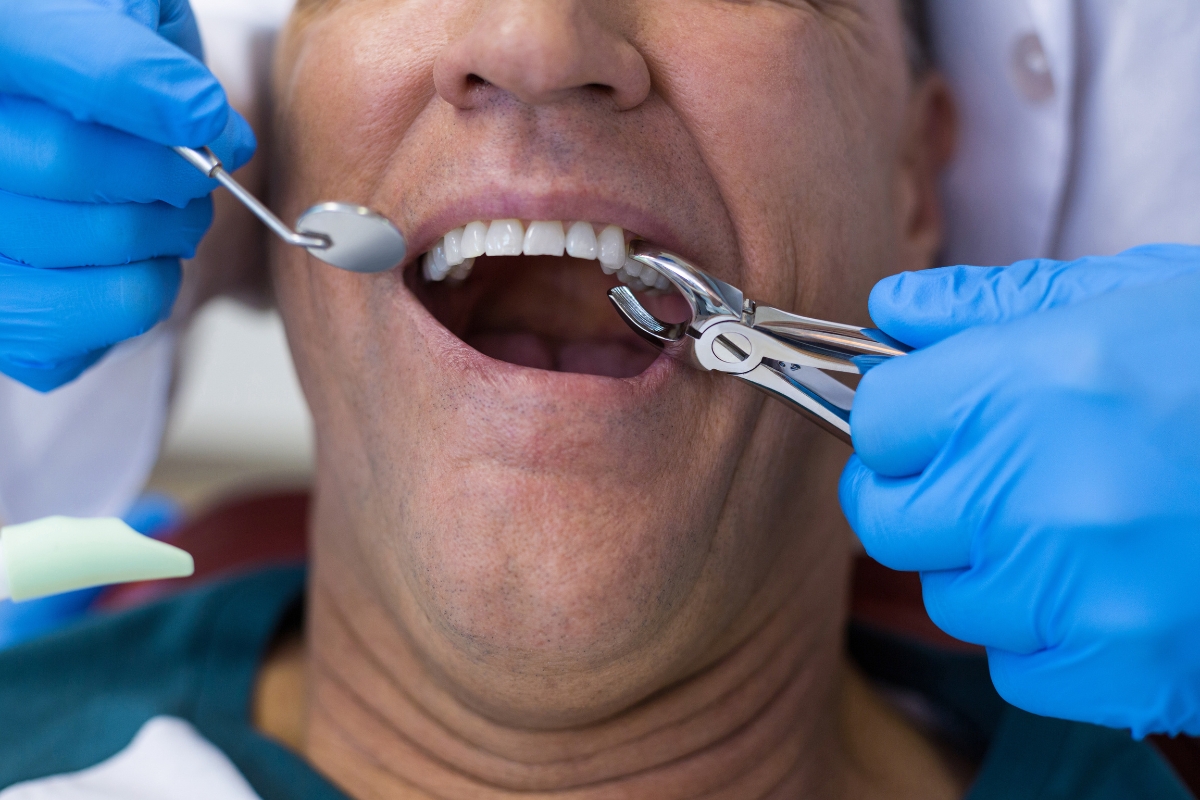
After a tooth extraction, the last thing you want to deal with is a painful dry socket. But knowing what to avoid can help you heal faster and prevent unnecessary pain. Dry socket is a common yet frustrating complication that can occur if proper aftercare isn’t followed.
It happens when the blood clot that forms in the extraction site either dislodges or fails to form altogether. This leads to exposed bone and nerves, resulting in intense pain and a longer recovery process.
In this guide, we’ll cover the five things you must avoid after your tooth extraction to minimize the risk of dry socket and ensure a smooth recovery. Let’s dive in!
What Is Dry Socket?
Dry socket, also known as alveolar osteitis, occurs when the blood clot that forms in the extraction site becomes dislodged or dissolves too early. This blood clot is crucial in the healing process because it protects the exposed bone and nerve endings in the socket. Without the clot, the nerves and bone are left exposed to air, food, and bacteria, causing pain and discomfort.
Dry socket typically develops 3-5 days after an extraction, and its severity can range from mild to intense. The condition is more common in people who smoke, do not follow aftercare instructions, or have underlying health conditions that affect their healing.
Symptoms of Dry Socket
The primary symptom of dry socket is intense pain that often starts a few days after the tooth extractions in Phoenix. Unlike normal post-extraction discomfort, which should gradually improve, the pain from dry socket tends to worsen over time. The pain may radiate from the extraction site to the jaw, ear, or eye. Other common signs of dry socket include:
- An unpleasant taste or odor in your mouth, which can result from food or bacteria accumulating in the open socket.
- Visible bone in the socket when the clot is absent, as the underlying bone becomes exposed.
- Swelling around the extraction site and the surrounding tissues.
If you experience these symptoms, it’s essential to contact Clear Sky Dental Care immediately for prompt treatment. Dry socket can be managed effectively with proper care, but the sooner you seek help, the easier it will be to resolve.
Why It’s Important to Prevent Dry Socket
Preventing dry socket is essential for a smooth recovery and avoiding unnecessary pain. If dry socket develops, it can extend your recovery time and result in additional treatments to manage the condition.
By following your dentist’s aftercare instructions and avoiding certain actions, you can significantly reduce the likelihood of developing dry socket, ensuring a more comfortable healing process.
5 Things to Never Do After a Tooth Extraction
- Avoid Smoking or Using Tobacco Products
Smoking is one of the most detrimental habits when it comes to post-extraction healing. Tobacco contains chemicals that reduce blood flow to the gums, impairing the healing process.
Additionally, smoking creates suction in the mouth, which can dislodge the blood clot from the extraction site. This increases the risk of developing dry socket. For your recovery’s sake, try to quit smoking during the healing period. If you must smoke, avoid doing so for at least 72 hours after your extraction.
- Don’t Suck or Use Straws
Using a straw can create suction in your mouth, which can easily dislodge the blood clot that is forming in the extraction site. This is one of the biggest risks when it comes to developing dry socket.
Even though it may feel tempting to sip your favorite drink through a straw, avoid this practice during the first few days of your recovery. Instead, drink directly from a cup to minimize the risk.
- Don’t Eat Hard, Crunchy, or Sticky Foods
After a tooth extraction, your gums and the extraction site will be tender. Hard, crunchy, or sticky foods can disturb the blood clot, irritate the site, or even cause food particles to get lodged in the open socket.
It’s best to stick to soft foods like mashed potatoes, soup, yogurt, and smoothies. Cold foods like ice cream can help with swelling, but make sure they are not too cold to avoid further irritation. Avoid anything that might require excessive chewing or cause discomfort at the extraction site.
- Avoid Touching the Area with Your Tongue or Fingers
It’s natural to want to check the extraction site with your tongue, but touching it can introduce bacteria into the wound, increasing the chance of infection. Constantly poking at the area can also disturb the blood clot, leading to a higher risk of developing dry socket. It’s best to leave the extraction site alone and allow it to heal naturally.
If you feel the urge to touch the area, gently rinse your mouth with warm saltwater instead to soothe the area.
- Do Not Engage in Intense Physical Activity
While it’s important to stay active, intense physical activity can increase your blood pressure and heart rate, which may disrupt the healing process. Exercise can cause the clot to dislodge or even lead to excessive bleeding.
For at least the first 48-72 hours, avoid vigorous activities like running, lifting weights, or any exercise that might cause you to exert yourself too much. Opt for light activities, like walking, to keep your body active without jeopardizing your healing process.
What to Do for Faster Healing and Prevention
Now that you know what to avoid, let’s look at some quick tips on what you should do for faster healing and prevention of complications like dry socket:
- Follow Your Dentist’s or Oral Surgeon’s Instructions
The most important step in healing after tooth extractions in Phoenix is to follow the instructions given by your dentist or oral surgeon. They will provide you with detailed guidance on how to care for the extraction site and any medication you may need to take.
Make sure to attend your follow-up appointments at Clear Sky Dental Care so we can monitor your progress and ensure everything is healing properly.
- Apply Cold Compresses to Reduce Swelling
Swelling is a normal part of the recovery process, but applying a cold compress to your face for 15-20 minutes at a time can help reduce it. Use a clean cloth or an ice pack wrapped in a towel to avoid direct contact with your skin.
Apply the compress to the side of your face near the extraction site, and take breaks to avoid frostbite.
- Eat Soft Foods and Drink Plenty of Water
In the first few days after the extraction, it’s essential to stick to soft, nutritious foods that don’t require much chewing. Avoid hot foods and opt for lukewarm or cool options.
Drink plenty of water to stay hydrated, but avoid using straws, as mentioned earlier. Gentle hydration is key for healing, but stay away from sugary drinks or anything that could irritate the site.
- Take Any Prescribed Medication as Directed
If your dentist prescribes pain medication or antibiotics, make sure to take them exactly as directed. Pain medication will help you stay comfortable, while antibiotics can prevent infections from developing in the extraction site.
If you have any side effects from the medication, contact your dentist immediately.
While the risk of developing dry socket is real, following these post-extraction guidelines can significantly reduce the chances of it occurring. By avoiding harmful activities like smoking, sucking on straws, or eating certain foods, you can ensure a smooth and pain-free recovery.
If you experience any unusual symptoms or feel concerned about your healing process, don’t hesitate to schedule a follow-up visit with Clear Sky Dental Care. Our team is here to support you every step of the way.
Frequently Asked Questions
When does dry socket usually occur?
Dry socket typically develops 3-5 days after a tooth extraction, especially if proper aftercare isn’t followed.
Can smoking cause dry socket?
Yes, smoking can interfere with blood clot formation and increase the risk of developing dry socket.
Can I use a straw after a tooth extraction?
No, using a straw can create suction that dislodges the blood clot, increasing the risk of dry socket.
Can I eat solid food after a tooth extraction?
It’s best to avoid hard, crunchy, or sticky foods for the first few days. Stick to soft foods to prevent irritation.
How long should I avoid physical activity after an extraction?
Avoid intense physical activity for at least 48-72 hours to prevent increased blood pressure that can affect healing.