Walk-Ins Welcome - Same-Day Dental Appointments Available
Does Smoking Affect the Success of Your Dental Implant Surgery?

If you’re considering dental implants, you’ve probably heard that smoking can affect your health, but what about your implants? The choice to get dental implants is a big one, offering long-term benefits like improved functionality, enhanced smile aesthetics, and better oral health overall. But if you smoke, it could jeopardize the success of your dental implant surgery. So, how exactly does smoking impact the success of your implants? Let’s explore this crucial question and why it matters.
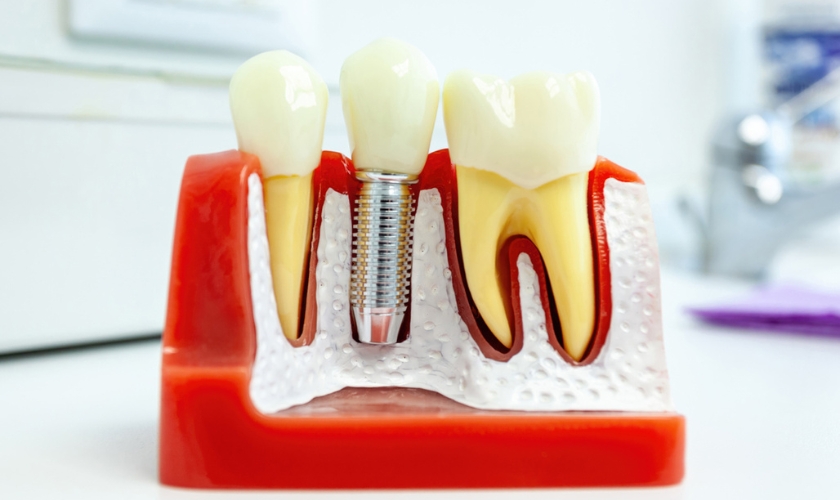
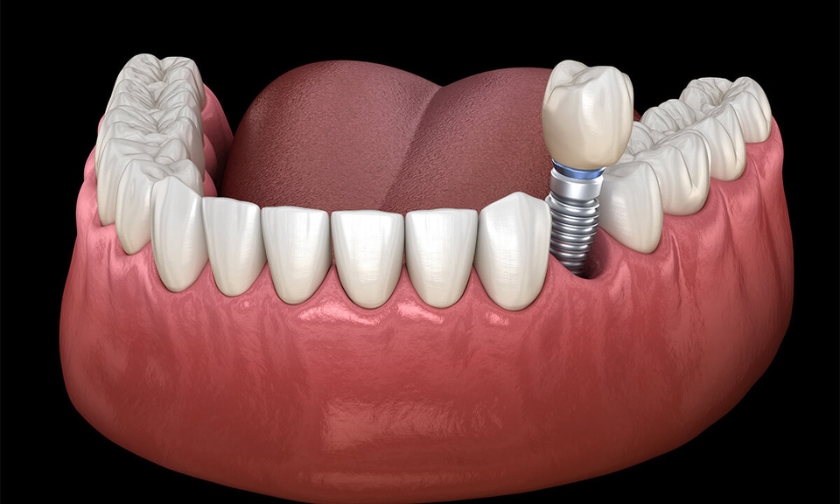
Dental implants are artificial tooth roots placed into your jawbone to support replacement teeth or bridges. They are known for their ability to restore a natural, healthy smile, improve chewing function, and boost self-esteem.
However, their success depends on the healing process, which can be compromised by smoking. Let’s dive into how smoking affects the healing and long-term success of your implants.
The Importance of a Healthy Environment for Dental Implants
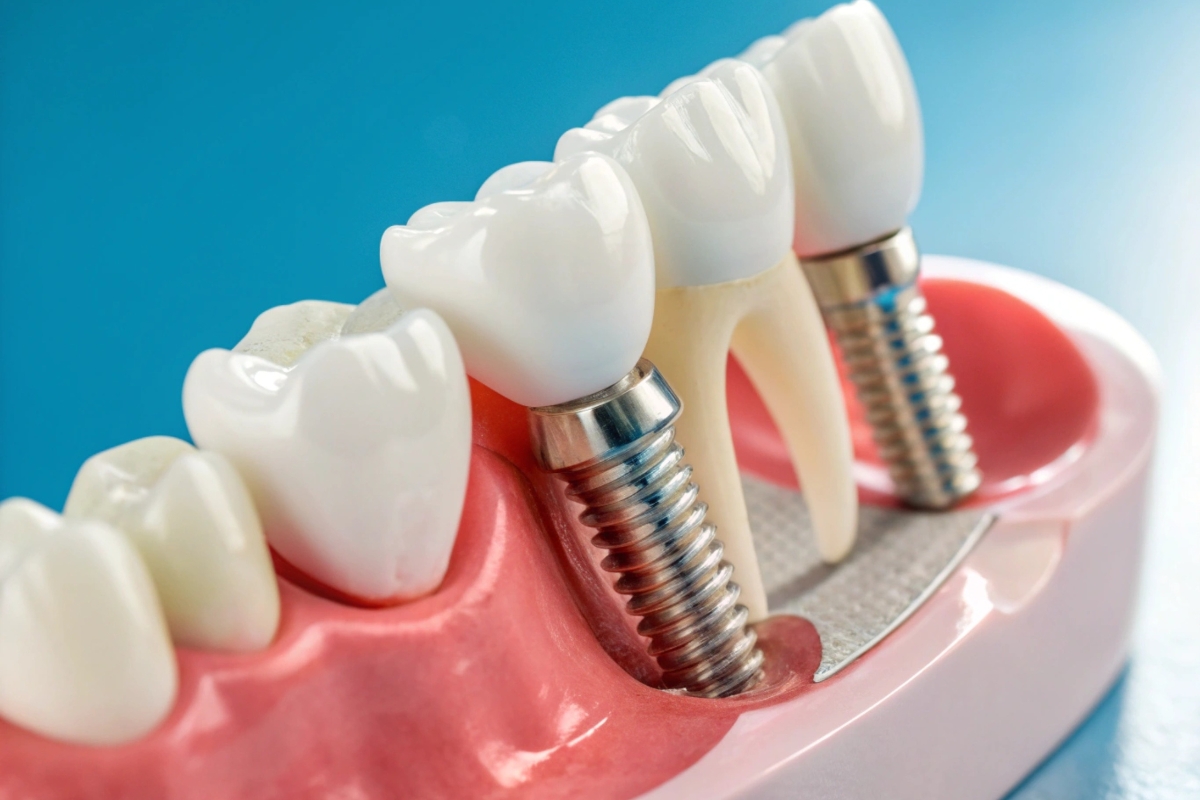
The success of implants largely depends on a process known as osseointegration. This is when the implant post fuses with your jawbone, creating a stable foundation for your new tooth. Without successful osseointegration, the implant cannot function as it should, and failure may occur.
For this fusion process to occur effectively, a healthy environment is critical. The health of your gums and jawbone plays a significant role in how well the implant integrates. Factors such as bone density, oral hygiene, and overall health can directly influence the healing process. In addition, lifestyle choices, including smoking, can impede the success of dental implants.
Oral hygiene is a key factor for maintaining the environment needed for osseointegration. Regular brushing, flossing, and professional cleanings ensure that your gums remain free of infection, which could interfere with the healing process.
Bone health is also essential. If you have low bone density, it may affect how well the implant integrates. Thankfully, bone grafts can be used to restore bone tissue in some cases, but smoking can hinder the body’s ability to rebuild bone.
Smoking, however, presents a unique challenge for those seeking dental implants. The harmful effects it has on healing can lead to complications that compromise the long-term success of your implants. Let’s take a closer look at how smoking interferes with the healing process after implant surgery.
How Smoking Affects the Healing Process
When you smoke, your body is deprived of the necessary oxygen and nutrients that are vital for proper healing. Nicotine, one of the main chemicals in cigarettes, constricts blood vessels, which reduces blood flow to your gums and jawbone. This means that the healing process after implant surgery becomes much slower and less efficient. Without proper circulation, the implant’s ability to integrate into the bone is compromised.
Nicotine also has a direct impact on gum tissue. It impairs the function of your gum cells, making it harder for them to fight off infections. Smoking increases the risk of gum disease, and since your gums play a pivotal role in supporting your implants, any gum infection can lead to implant failure. The inflammation caused by smoking makes it harder for your body to heal and can also cause the bone surrounding the implant to deteriorate over time, weakening its stability.
Another harmful effect of smoking is the formation of a sticky film in the mouth, which encourages bacteria to grow. This can lead to an infection around the implant site, further delaying recovery and increasing the risk of implant failure.
Increased Risk of Implant Failure in Smokers
Smokers are at a significantly higher risk of dental implant failure. Research has shown that the success rate of dental implants in Phoenix in smokers is much lower than in non-smokers. One study found that smokers are nearly three times more likely to experience implant failure compared to non-smokers. Smoking not only affects the healing process but also increases the likelihood of complications, such as infection, gum disease, and poor osseointegration.
The risk of infection is particularly concerning because smoking weakens the immune system, making it harder for your body to fight off harmful bacteria. This can lead to peri-implantitis, an infection around the implant, which can cause bone loss and ultimately result in the failure of the implant. Gum disease, which is exacerbated by smoking, can also contribute to implant failure by damaging the gum tissue and compromising the bond between the implant and the bone.
In addition to infection, smoking can cause reduced blood flow to the jawbone, which is crucial for osseointegration. Without the necessary nutrients and oxygen, the implant may not successfully fuse with the bone, leading to failure.
Studies and Research on Smoking and Dental Implants
Numerous studies have explored the impact of smoking on dental implant success rates. A comprehensive review of multiple studies published in the Journal of Clinical Periodontology found that smoking was a significant risk factor for implant failure. The review concluded that smokers had a 2.6 times higher risk of implant failure than non-smokers.
Another study published in The International Journal of Oral and Maxillofacial Implants found that smoking was associated with increased rates of peri-implantitis, which is a leading cause of implant failure. The study emphasized that smoking negatively affects bone healing, gum health, and overall implant integration, further supporting the need for patients to quit smoking before undergoing dental implant surgery.
At Clear Sky Dental Care, we prioritize patient education and understand that smoking can significantly impact the outcome of dental implant surgery. If you smoke and are considering implants, we strongly recommend discussing smoking cessation options with your dentist to improve your chances of success.
How Smoking Affects Aftercare and Long-Term Implant Success
The road to successful dental implants doesn’t end after the surgery. Aftercare is crucial to ensure the implants remain stable and functional over the long term. For smokers, the healing process is already compromised, making aftercare even more important.
Smoking contributes to gum inflammation, which can interfere with the healing process and increase the likelihood of infection. Peri-implantitis, a bacterial infection that affects the tissue surrounding the implant, is a major concern for smokers. This infection can lead to bone loss around the implant, causing it to fail.
Regular dental checkups are essential for maintaining the health of your implants. Smokers should be especially vigilant about keeping up with these appointments to catch any potential issues early on. At Clear Sky Dental Care, our team will work with you to develop a personalized aftercare plan that ensures the long-term success of your dental implants.
What Smokers Can Do to Improve Implant Success
If you’re a smoker and considering dental implants in Phoenix, there are several steps you can take to improve your chances of success:
- Quit smoking before and after surgery: The most important step you can take is to quit smoking. Ideally, you should stop smoking several weeks before surgery and continue to avoid smoking during the healing process.
- Maintain excellent oral hygiene: Keeping your mouth clean is essential for the health of your gums and implants. Brush and floss regularly, and follow the aftercare instructions provided by your dentist.
- Follow all post-surgery care instructions: Adhering to your dentist’s instructions will ensure that your implants heal properly and remain stable over time.
- Consider smoking cessation programs: Quitting smoking can be challenging, but there are many resources available to help. Consider enrolling in a smoking cessation program to improve your chances of success.
At Clear Sky Dental Care, we understand the challenges smokers face when considering implants, and we’re here to help guide you through the process and improve your chances of success.
In conclusion, smoking can significantly affect the success of your dental implant surgery. From delaying the healing process to increasing the risk of infection, the harmful effects of smoking make it more difficult for your body to accept and integrate dental implants.
The good news is that by quitting smoking before and after surgery, maintaining excellent oral hygiene, and following aftercare instructions, you can greatly improve the chances of your implants remaining successful for years to come.
If you’re considering dental implants and are a smoker, don’t hesitate to contact us at Clear Sky Dental Care. Our team is here to help you every step of the way, offering professional advice and personalized care. Schedule your consultation today to learn more about how we can help you achieve a healthy, beautiful smile.
People Also Ask
How long should I quit smoking before dental implant surgery?
It’s recommended to quit smoking at least 2-4 weeks before surgery and avoid smoking during the healing period to improve success rates.
Can smoking after dental implants cause infections?
Yes, smoking increases the risk of gum inflammation and peri-implantitis, leading to infections that can compromise implant success.
What if I can’t quit smoking before my dental implant procedure?
While quitting smoking is ideal, even reducing the number of cigarettes smoked can still help improve your healing process and reduce risks.
How soon after dental implant surgery can I smoke again?
It’s strongly advised to avoid smoking for at least 2-3 months after surgery to allow for proper healing and to minimize complications.
Can smoking affect bone health for dental implants?
Yes, smoking can weaken bone health and reduce its ability to fuse with dental implants, making the procedure less successful.